
2026 News & Events
IPRD & A.J. Anderson Foundation Launch Powerful Rare Disease Event
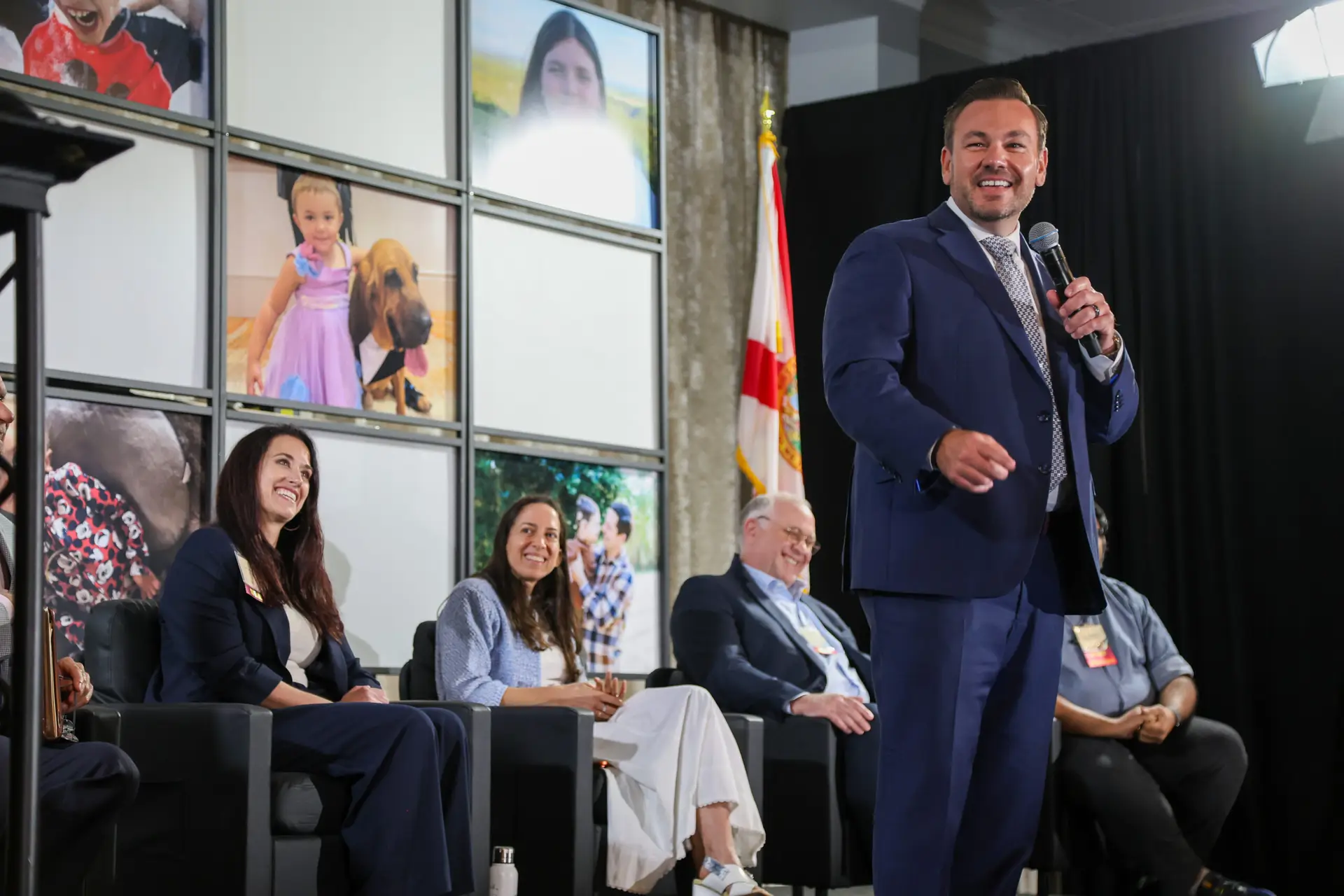
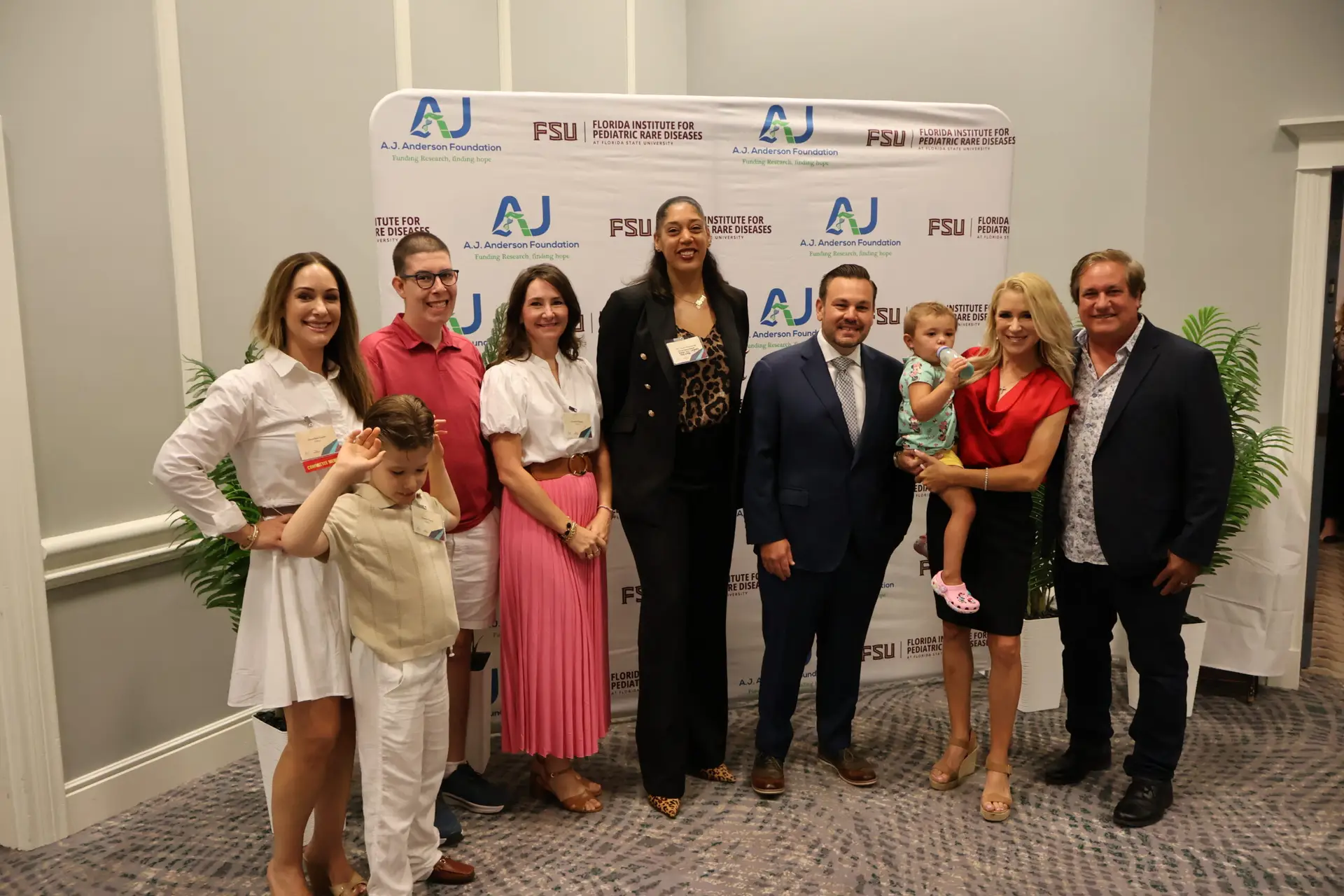
The Florida Institute for Pediatric Rare Diseases (IPRD) partnered with the A.J. Anderson Foundation to host a two‑day inaugural event at the Innisbrook Resort in Palm Harbor on June 3rd – 4th, 2026.
The program featured a Rare Disease Symposium, The A.J. Anderson Dinner for a Cause, and The A.J. Anderson Golf Tournament. This inaugural event marks the beginning of a long‑term partnership between IPRD and the A.J. Anderson Foundation, united in their commitment to elevating rare‑disease voices and accelerating meaningful progress for affected children and their families.
Rare Disease Symposium
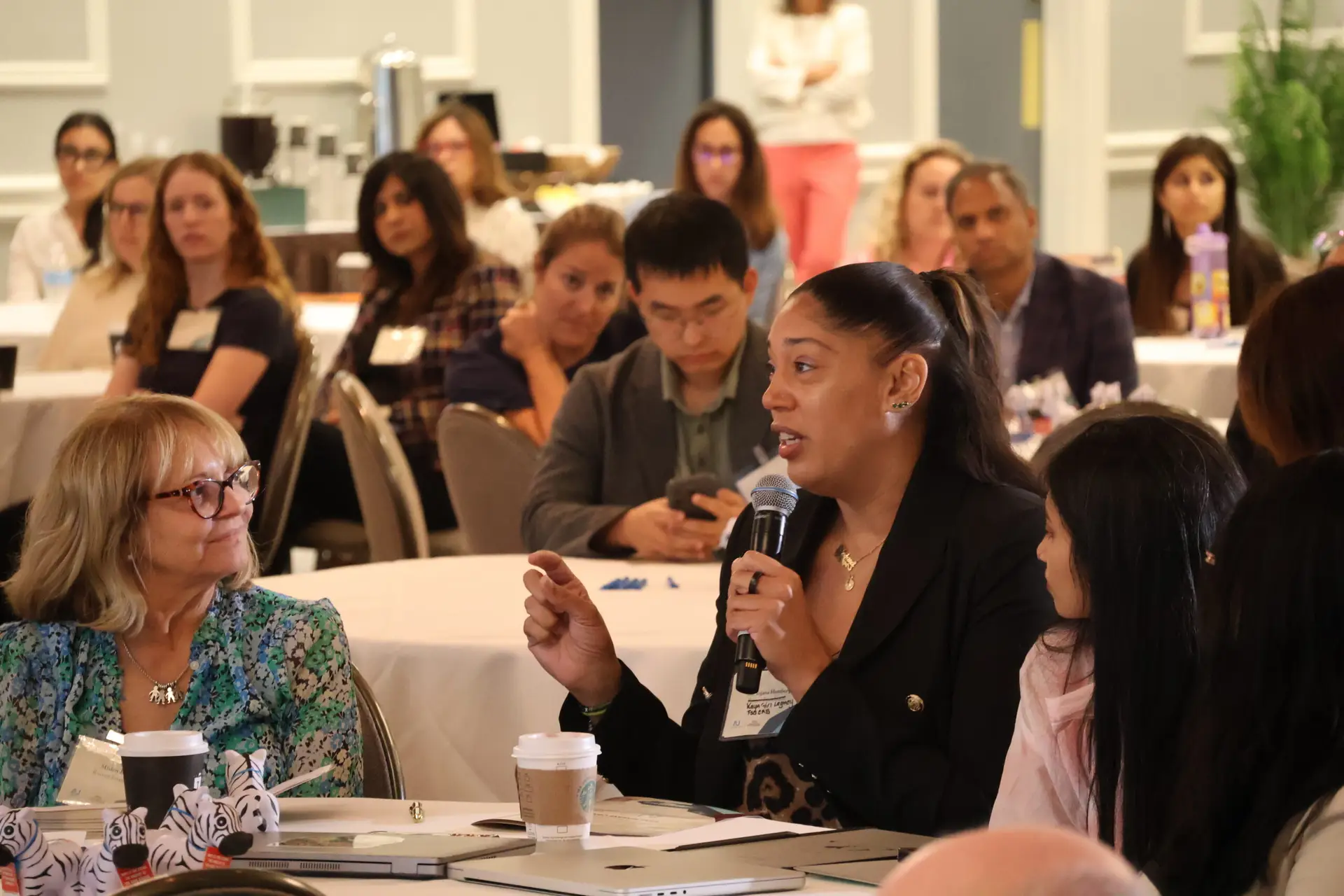
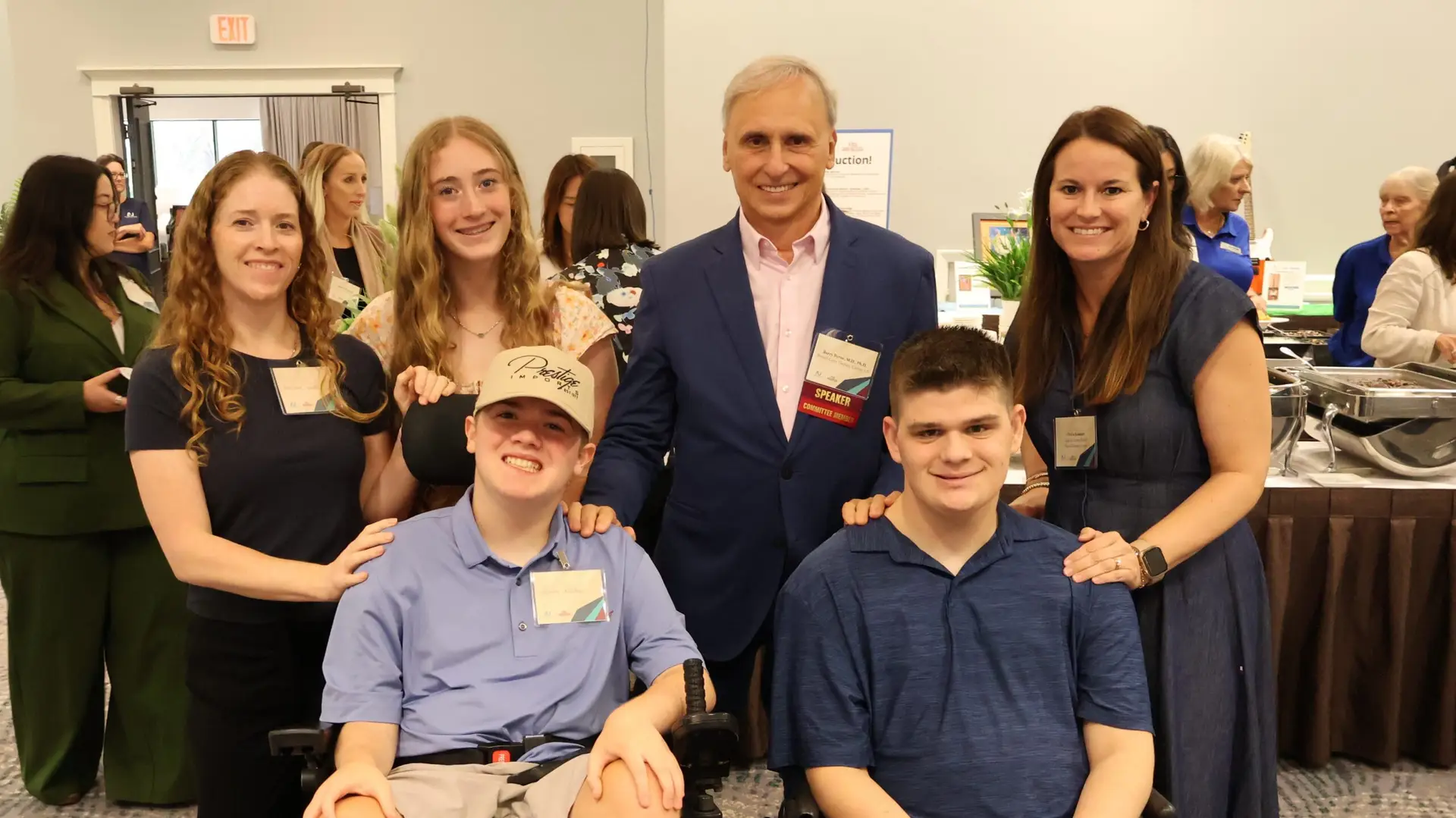
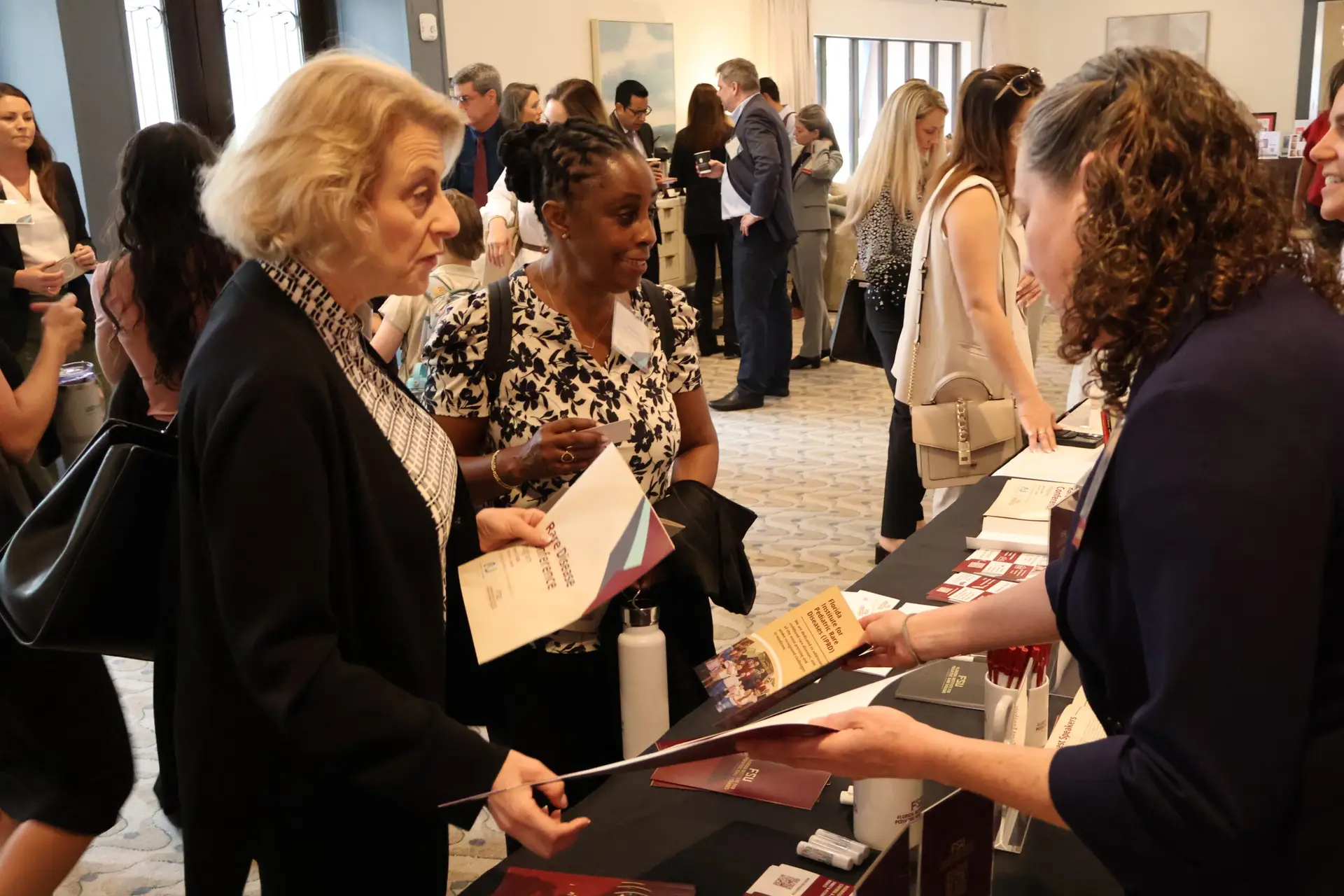
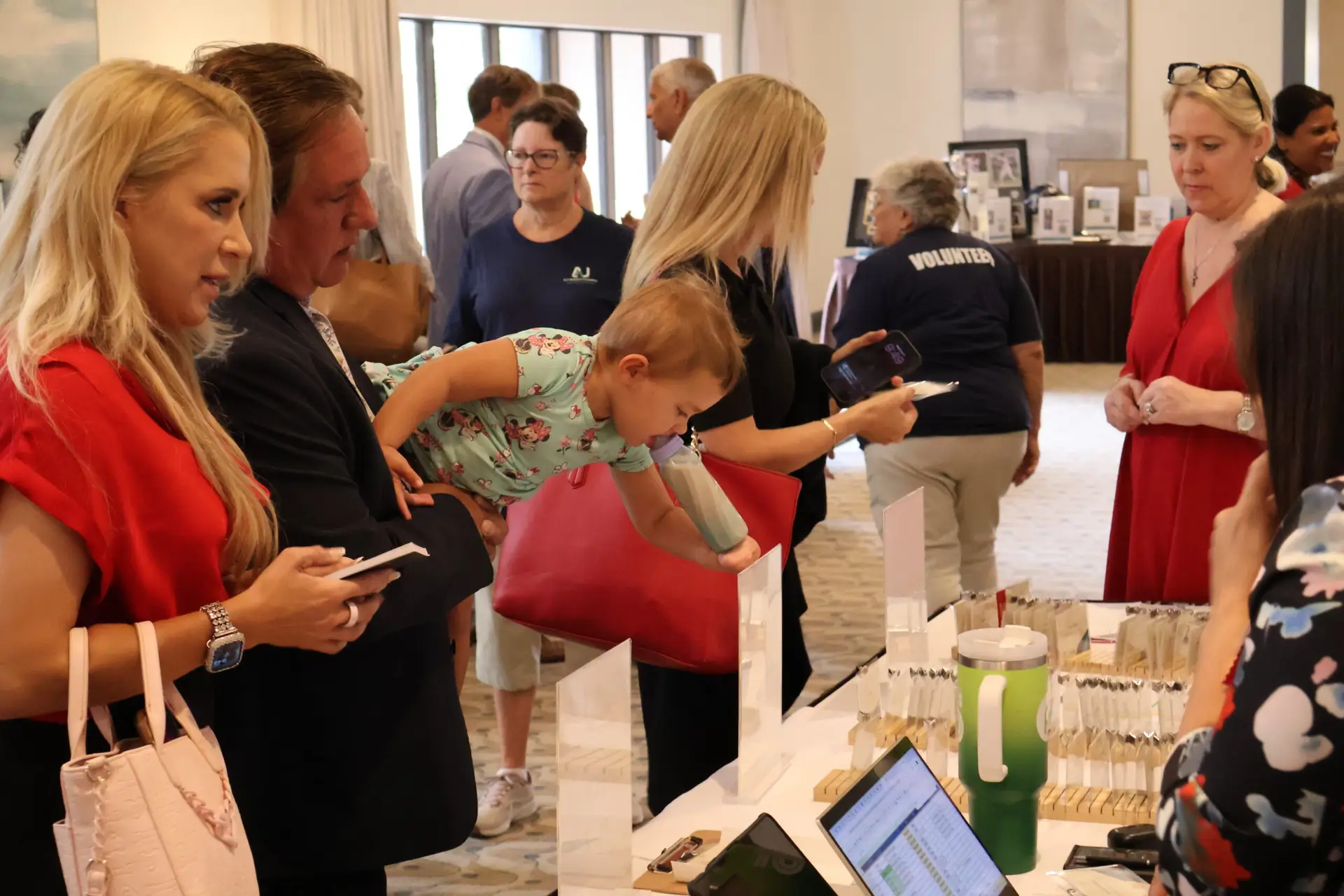
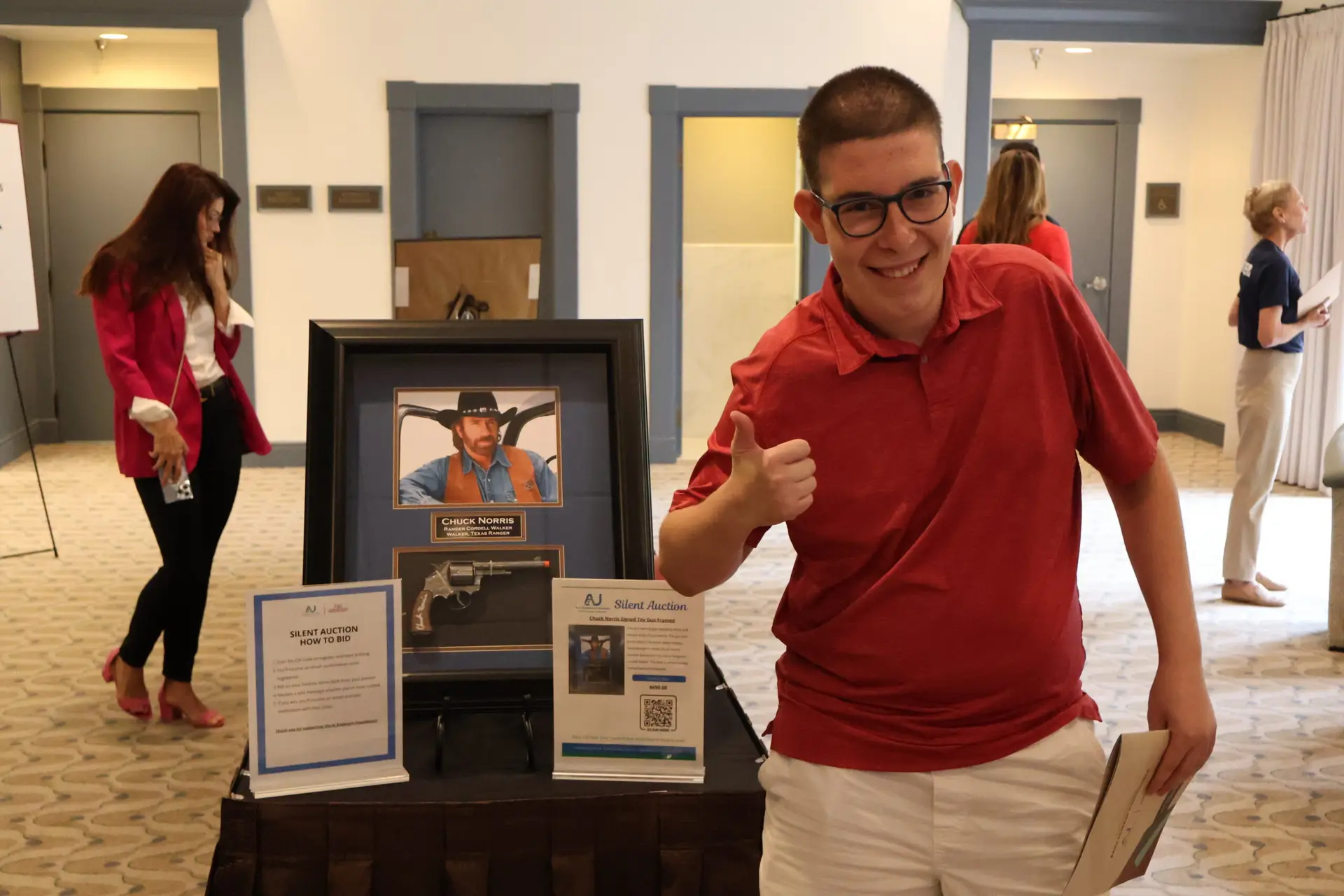
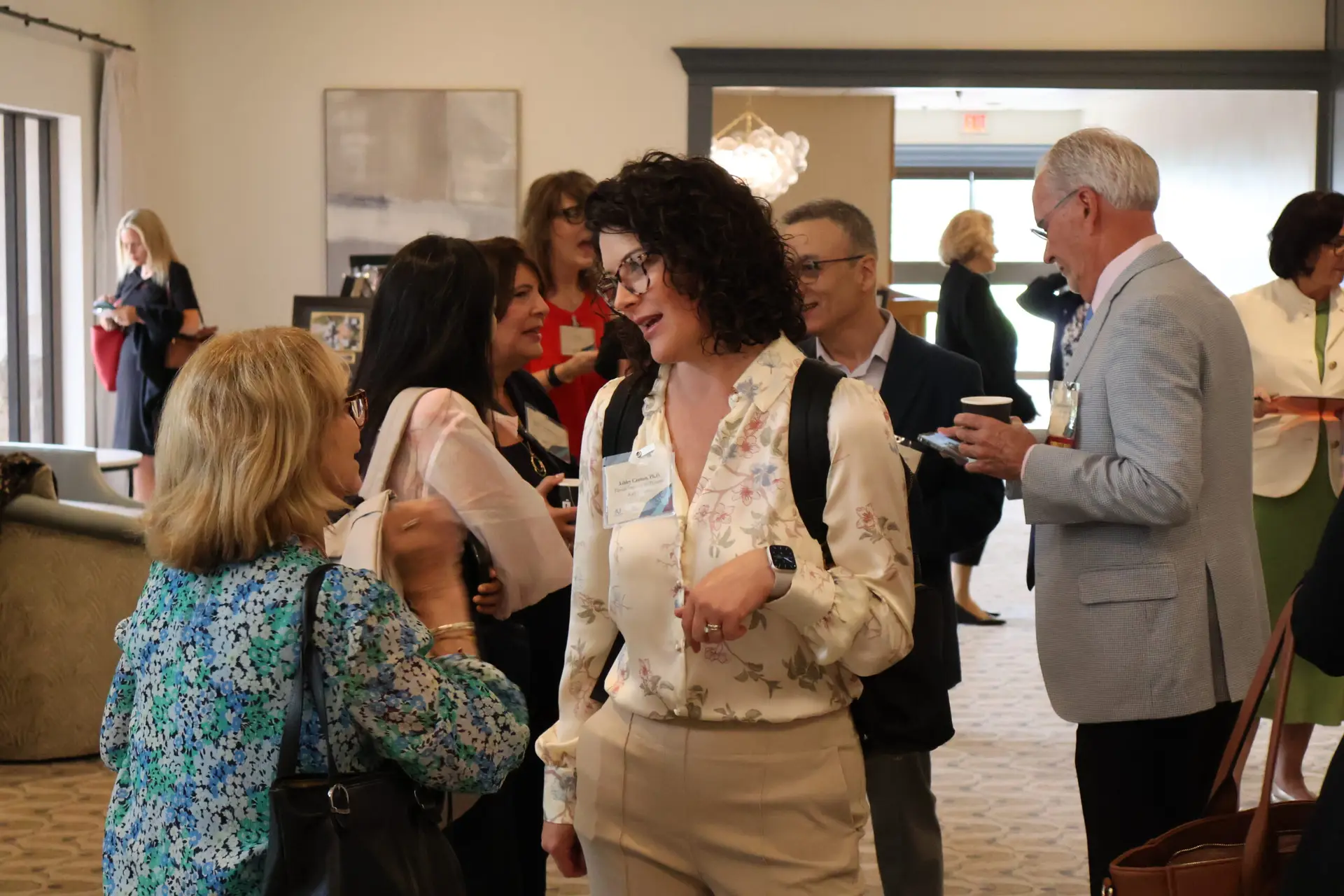
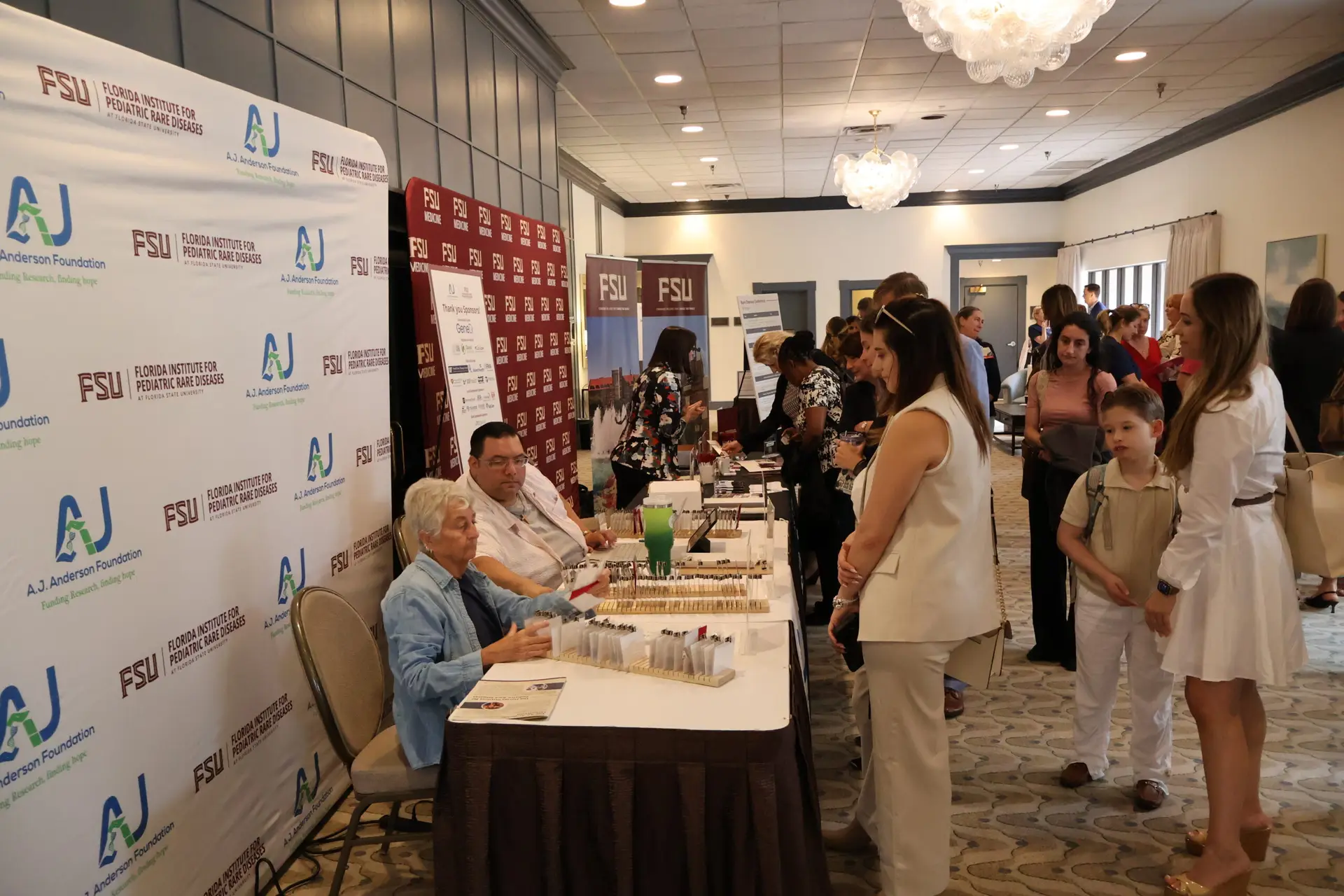
More than 200 participants, including families, researchers, clinicians, and advocates, came together to share knowledge, build community, and advance the mission of improving outcomes for children affected by rare diseases. On June 3, 2026, the A.J. Anderson Foundation and Florida IPRD cohosted a rare disease conference, offering updates on current research, clinical progress, and the future of treatment. View the Symposium Program Booklet.
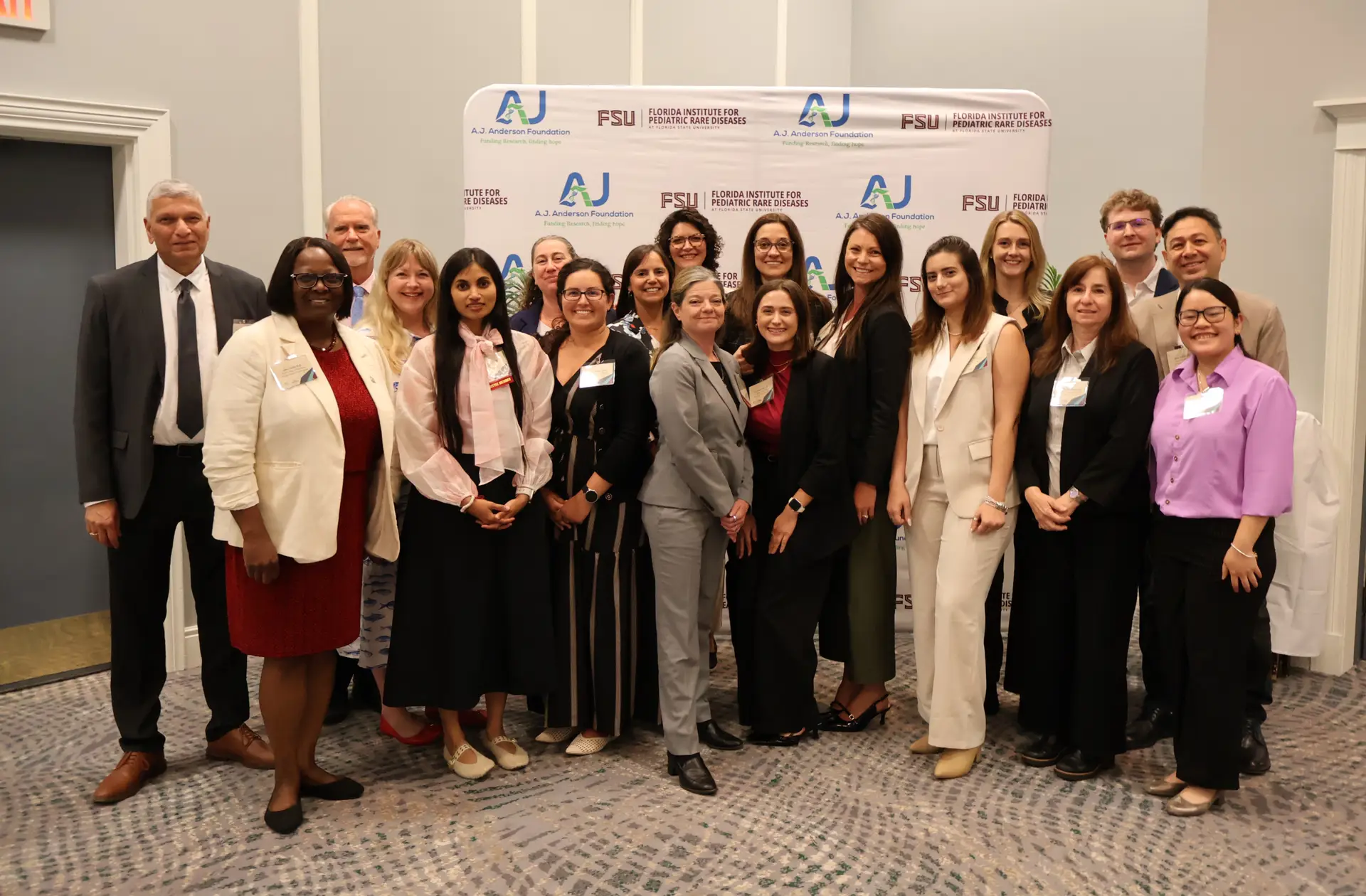
Read FSU Press Release
(Bill Wellock | FSU Research)
View Full Symposium Coverage
(Eduardo Miyar & Sofia Estavillo | FSU College of Medicine)
Keynote Speaker David Bick, M.D.
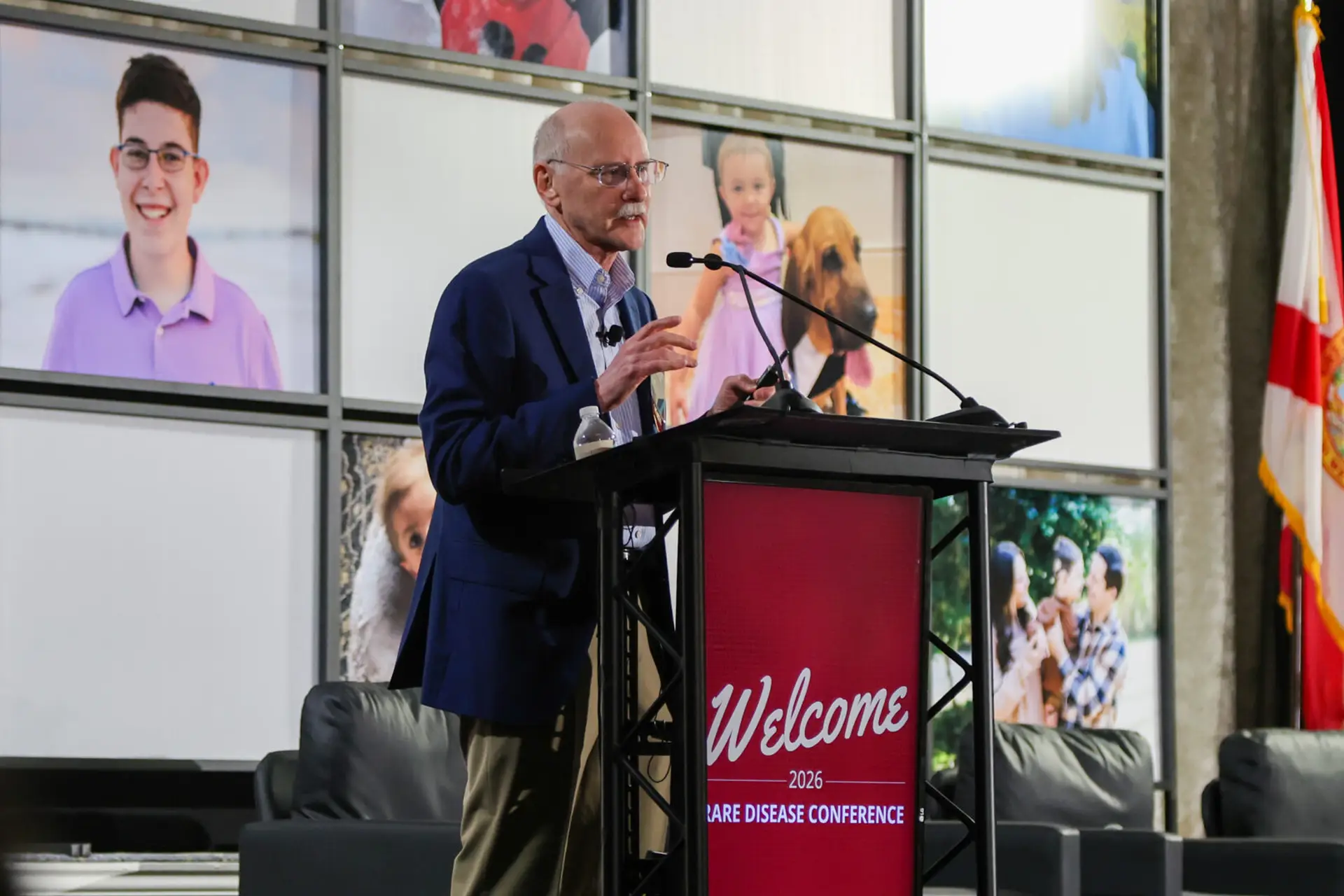
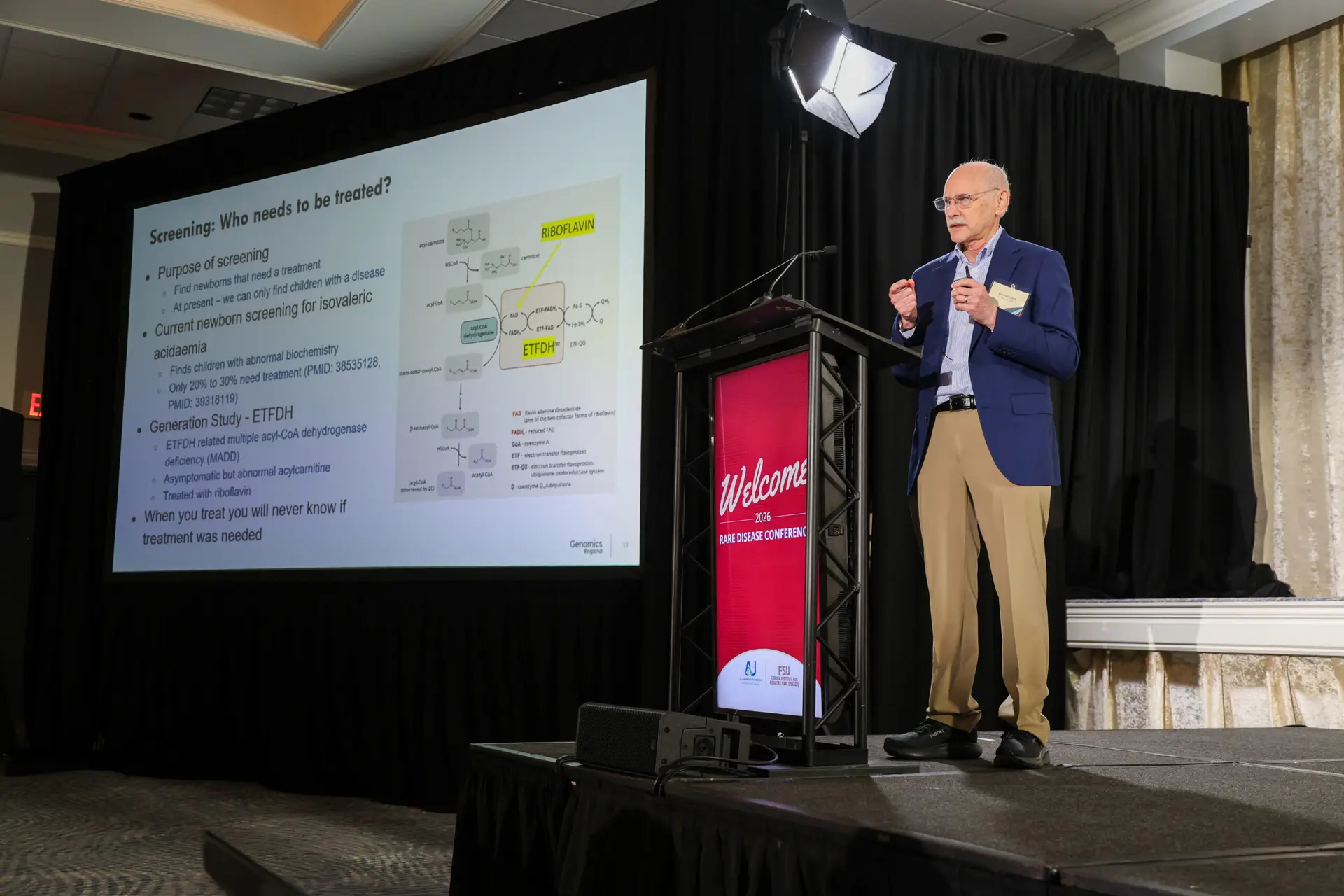
David Bick, M.D., is an internationally recognized leader in clinical genomics and genomic medicine, with experience in pediatrics, clinical genetics, and molecular genetics. He serves as Principal Clinician for the Newborn Genomes Programme (Generation Study) at Genomics England, where he is helping evaluate the integration of whole genome sequencing into newborn screening across the United Kingdom’s National Health Service.
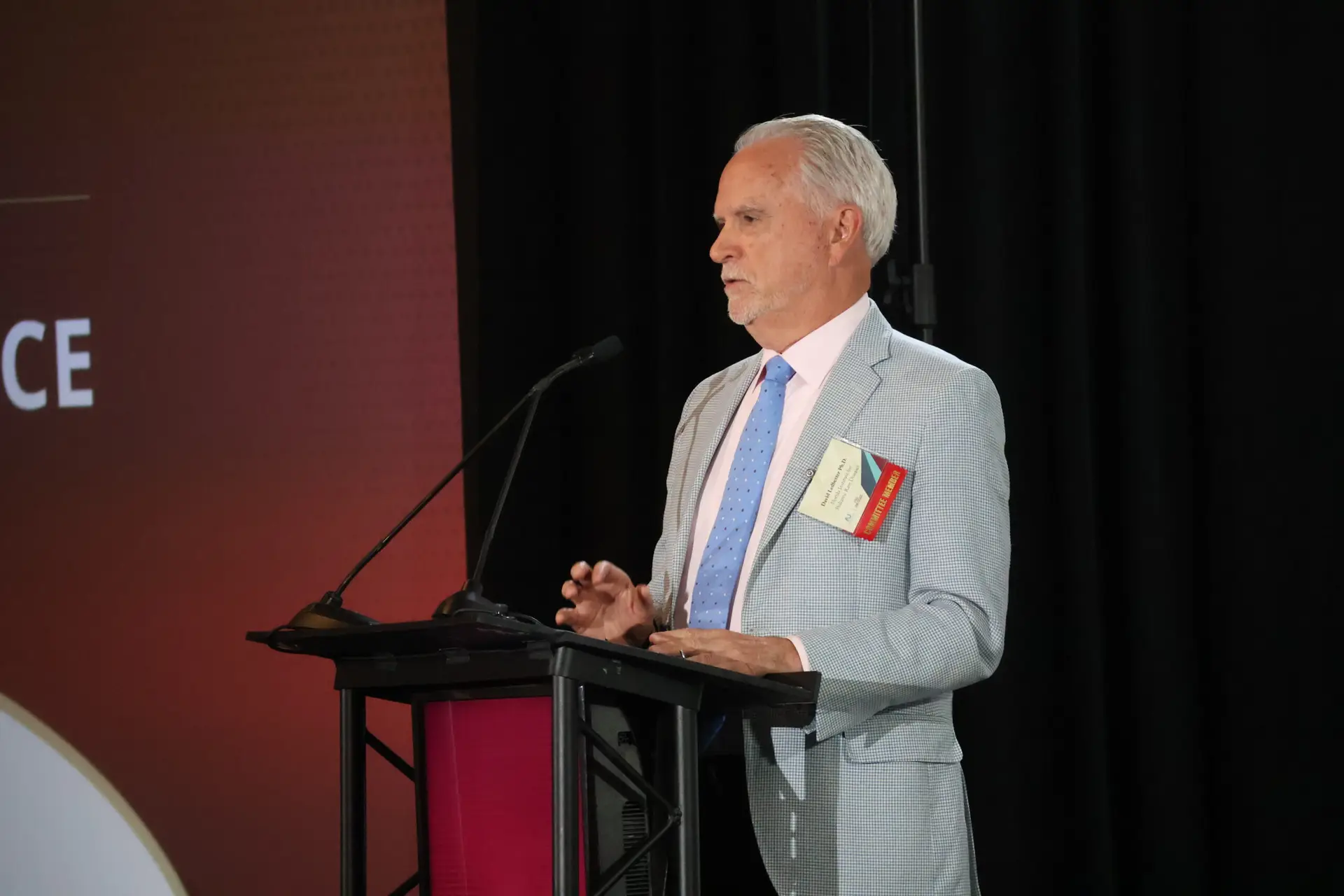
Session 1: Genomic Newborn Screening
Moderated by IPRD Senior Associate Director for Precision Medicine David Ledbetter, Ph.D., FACMG
Leaders in genomic medicine shared forward‑looking insights across four key sessions. In “The Cost of Underdiagnosis,” Britt Johnson, Ph.D., FACMG, Senior Vice President of Medical Affairs at GeneDx, highlighted the clinical and financial burden created by delayed or missed rare‑disease diagnoses and emphasized the value of early genomic testing.
Moran Snir, Co‑Founder and CEO of Nest Genomics, explored “The Future Starts at Birth: Operationalizing Newborn Genome Sequencing Programs with Nest,” outlining how scalable infrastructure can bring newborn genome sequencing into routine care.
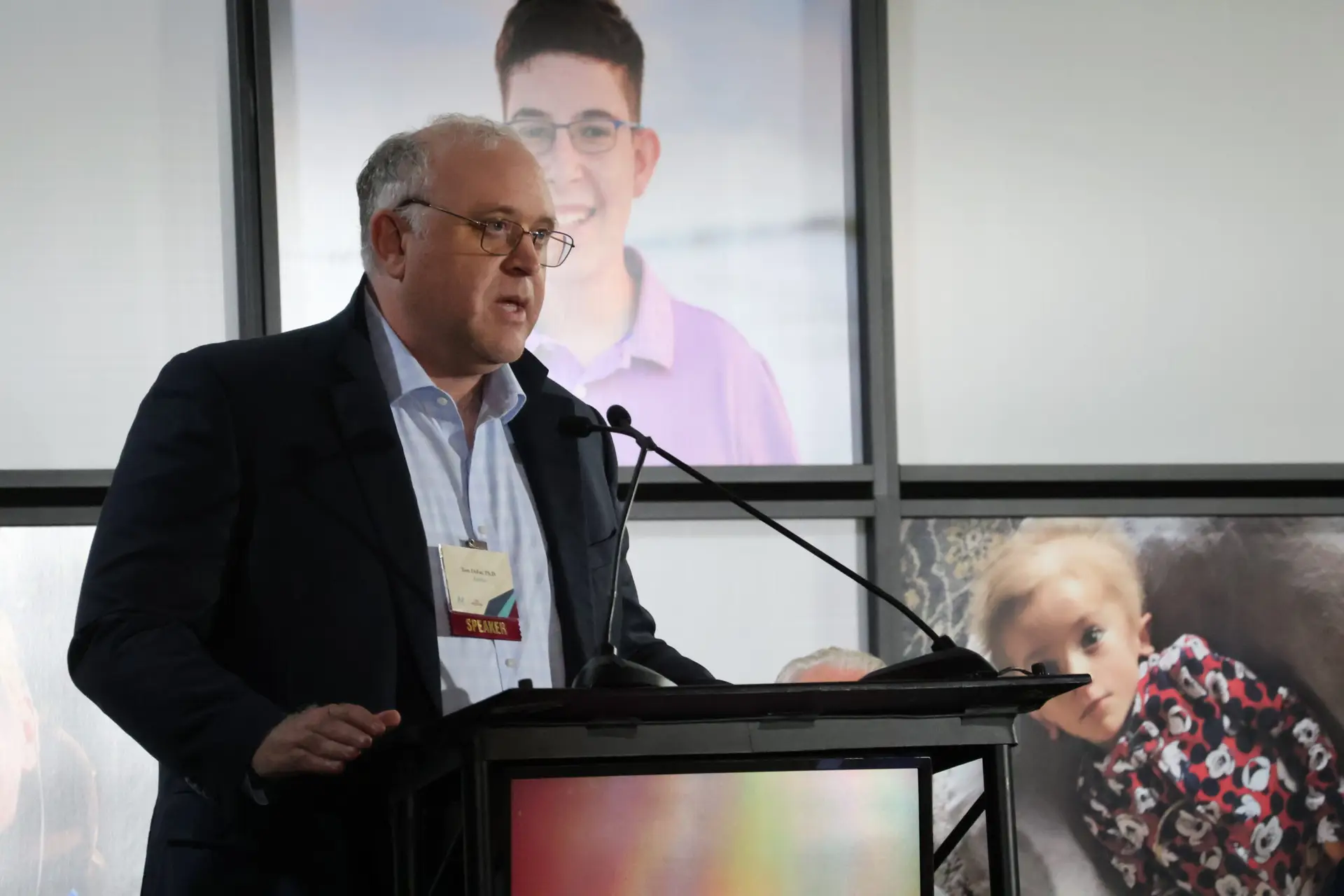
Tom DeFay, Ph.D., Deputy Head of Diagnostics Strategy & Development at Alexion Pharmaceuticals, shared updates in “BeginNGS, Progress Update, Healthcare Implementation, and Collaboration Across Consortia,” underscoring the importance of global partnerships in expanding rapid newborn screening.
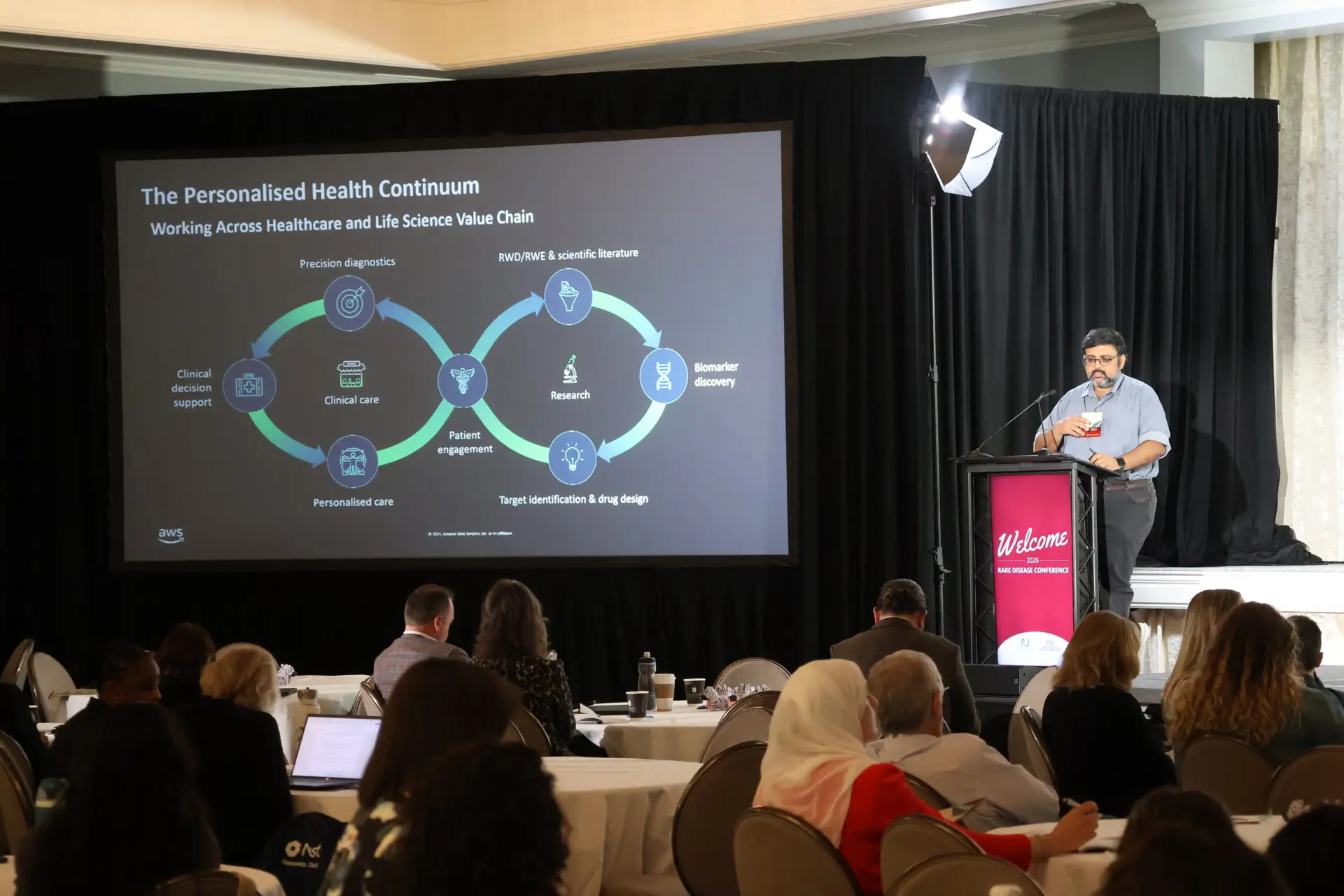
Rounding out the discussion, Ankit Malhotra, Ph.D., Global Head of Genomics at Amazon Web Services, examined “Revolutionizing Pediatric Health Research: Data and AI-driven Innovation on AWS at Population Scale,” demonstrating how cloud infrastructure and AI‑driven insights are accelerating population‑level pediatric research.
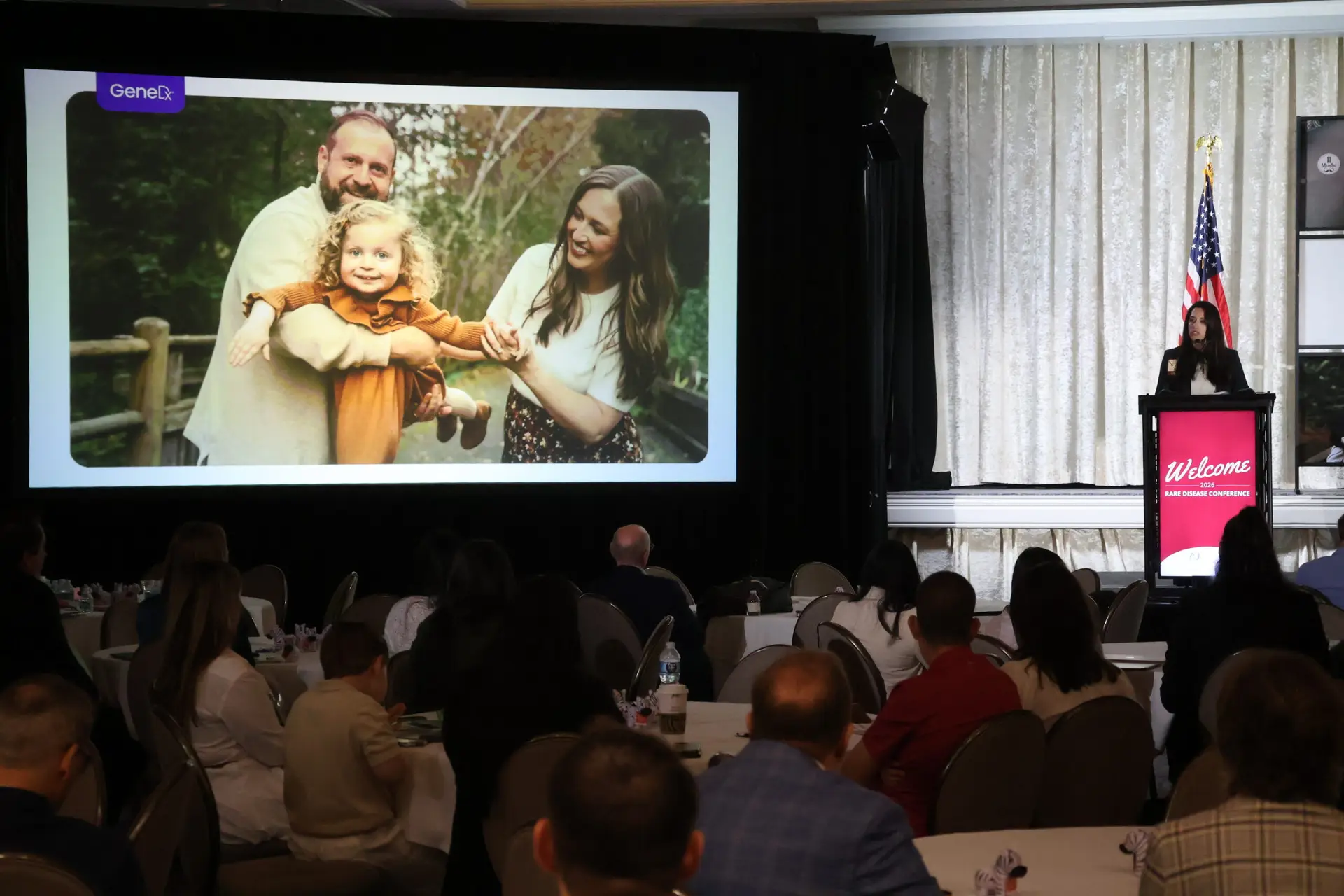
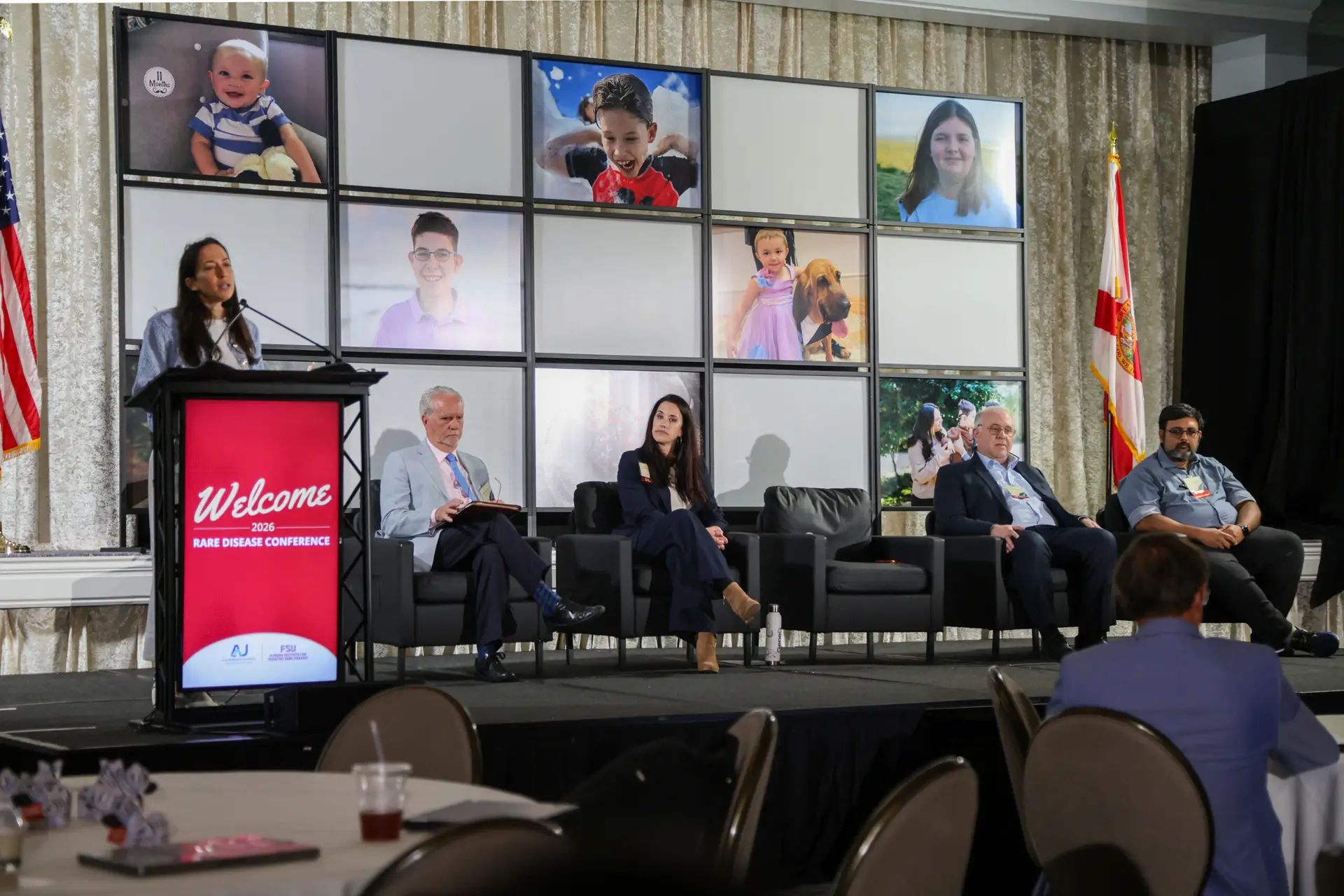
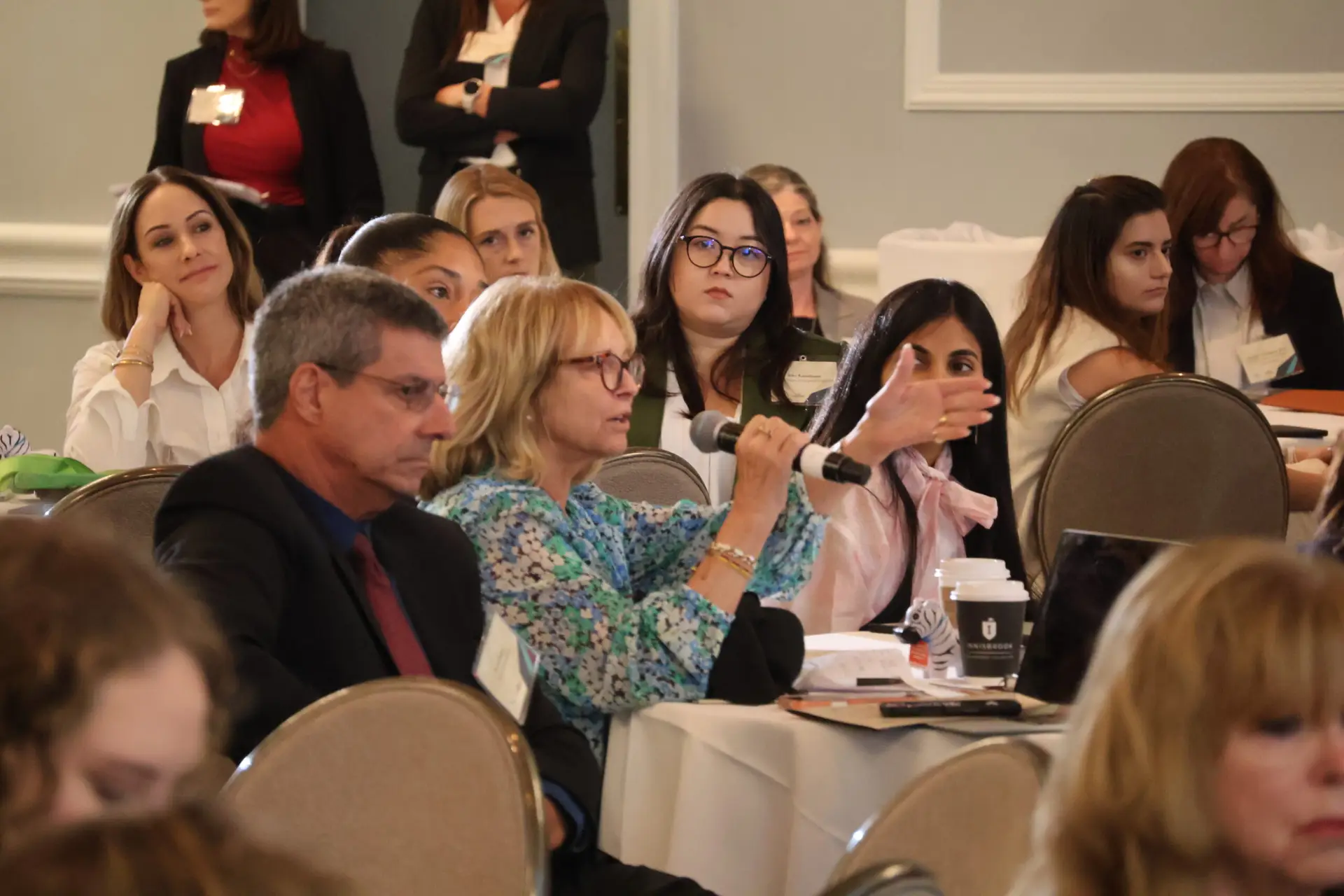
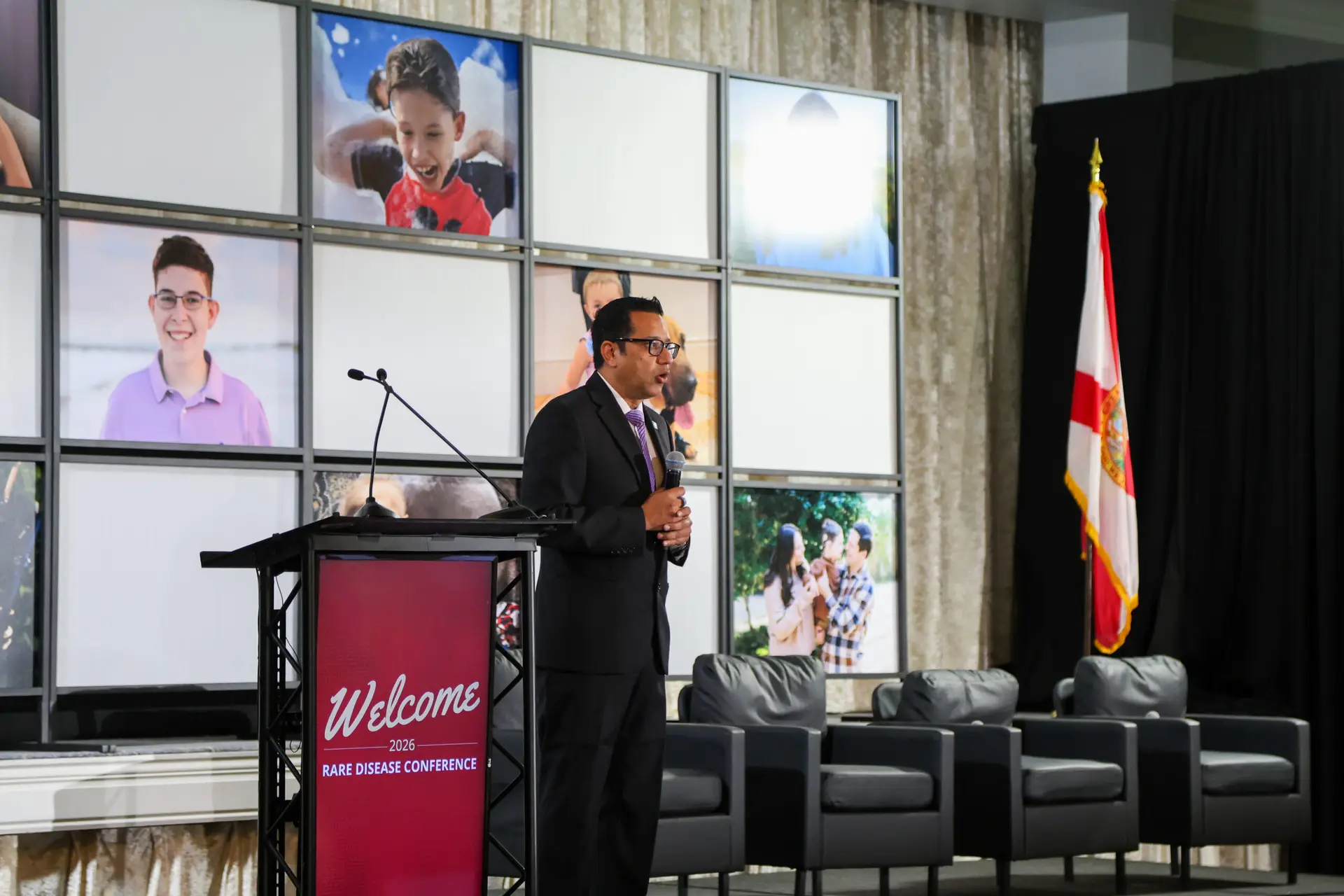
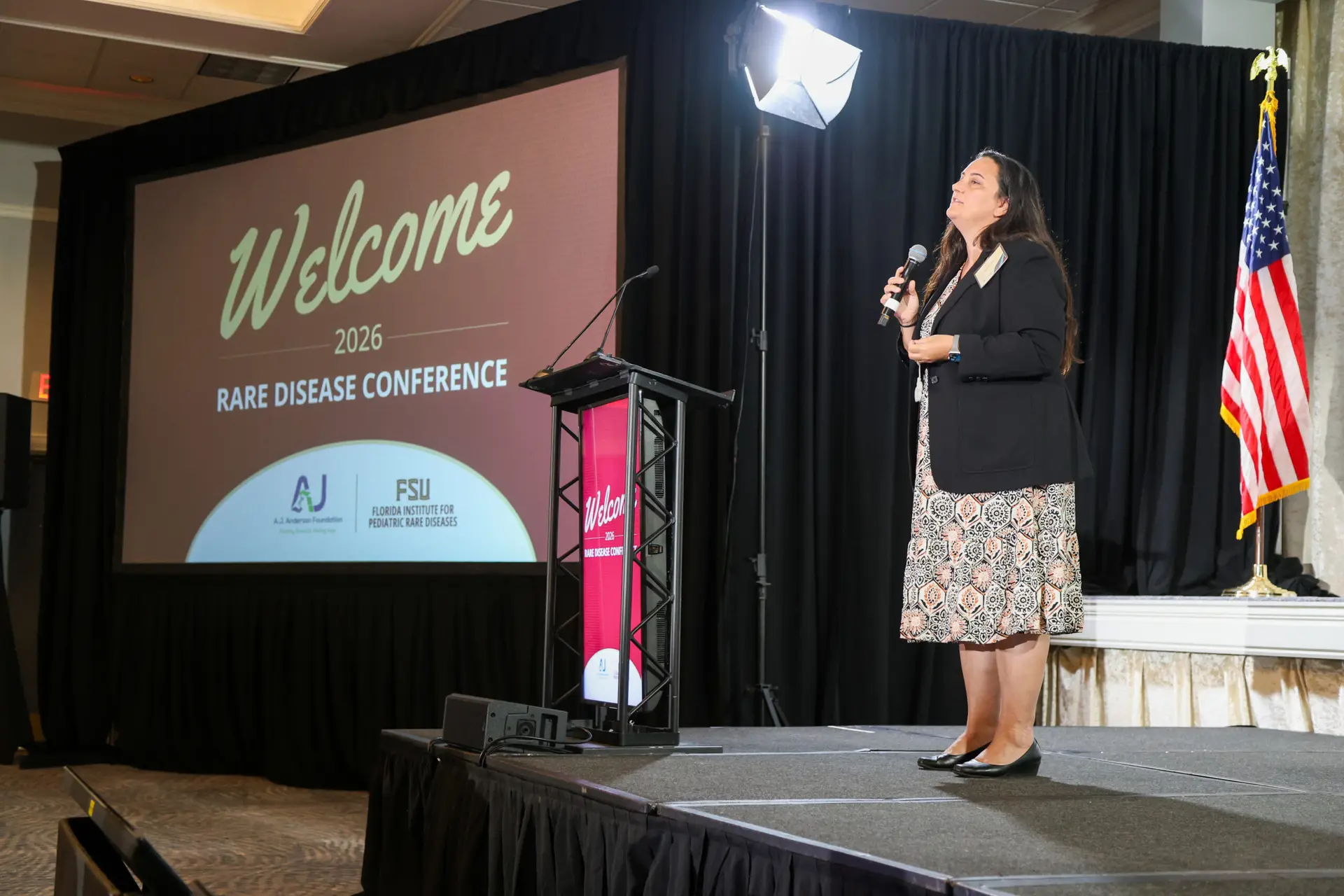
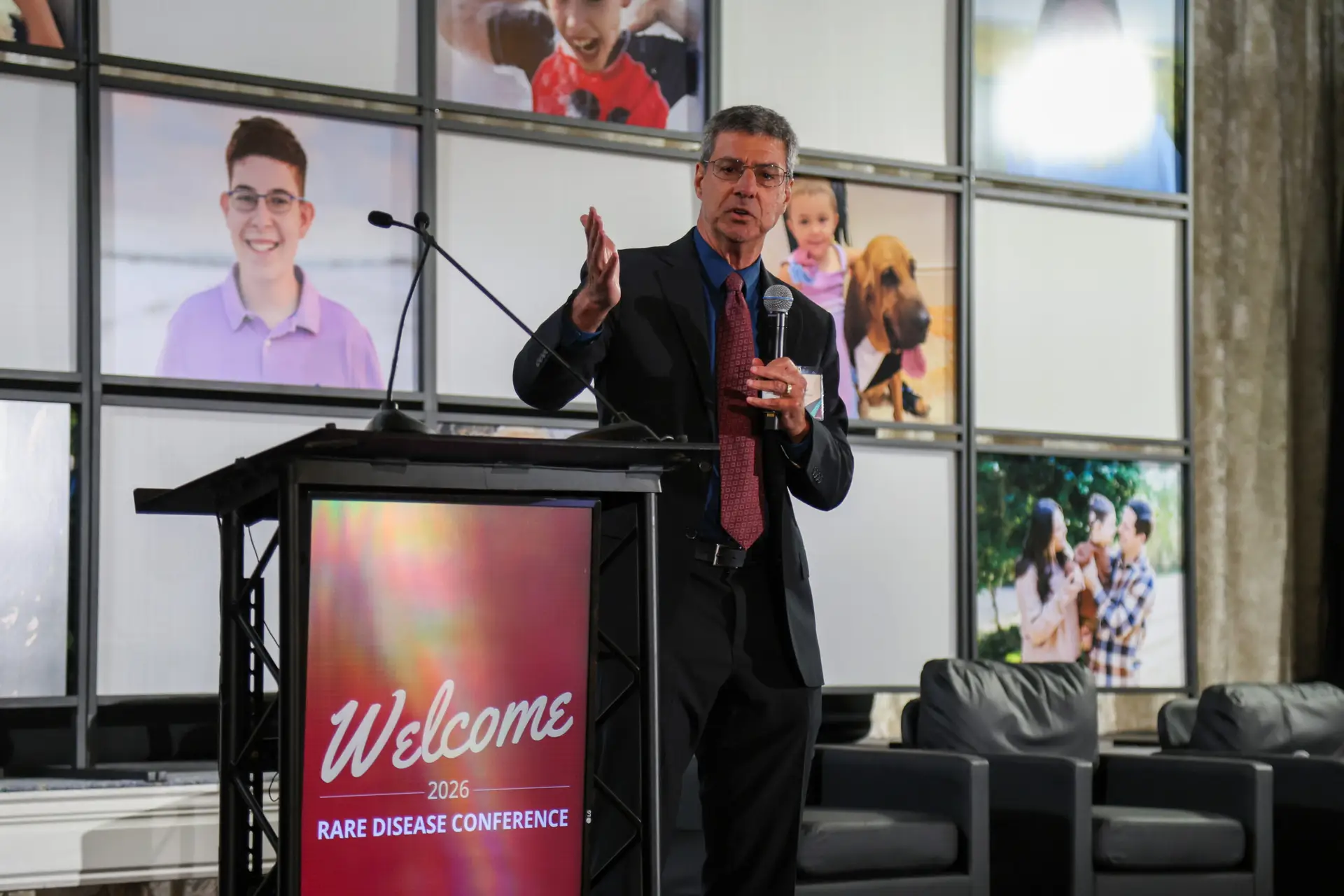
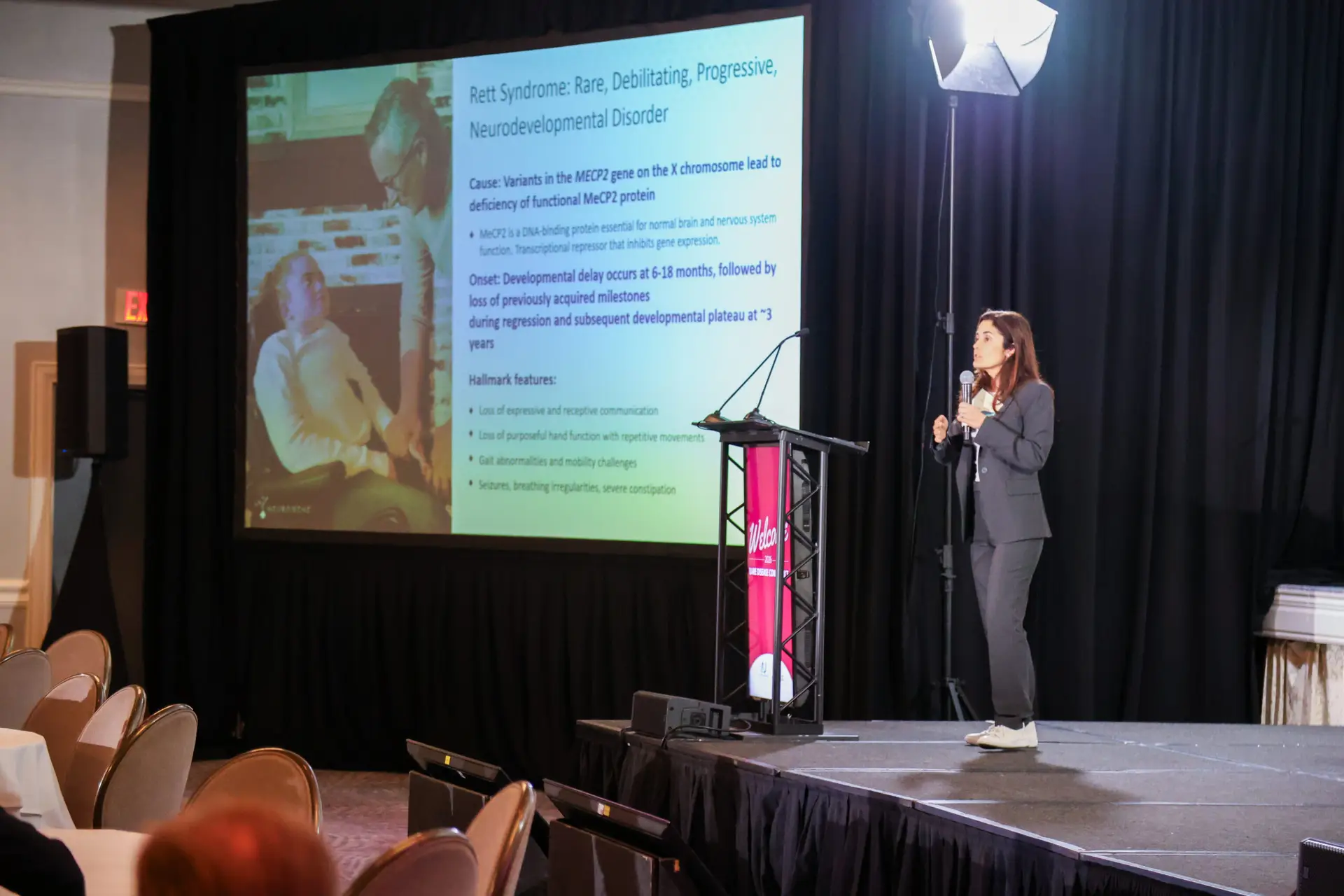
Representatives from partner organizations, patient advocacy groups, and participating families provided updates on rare disease initiatives, patient support efforts, and the experiences of families navigating rare disease care.
Speakers included, Gaurav Malik, Vice President of Patient Services & Business Development at Quest Diagnostics, Melissa Jordan, Division Director of Community Health Promotion for the Florida Department of Health, Kevin Romer, President and CEO, Mathew Forbes Romer Foundation, Inc and Paula Padua Schleifer, M.D., co-medical director at Nicklaus Children’s Hospital.
Sunshine Genetics Program Update
Saanchi Shah, Ph.D., LCGC, M.S., MPH, Assistant Professor and Licensed Genetic Counselor for IPRD, presented updates on the Sunshine Genetics Program highlighting the momentum behind Florida’s voluntary, no‑cost genomic research initiative for newborns.
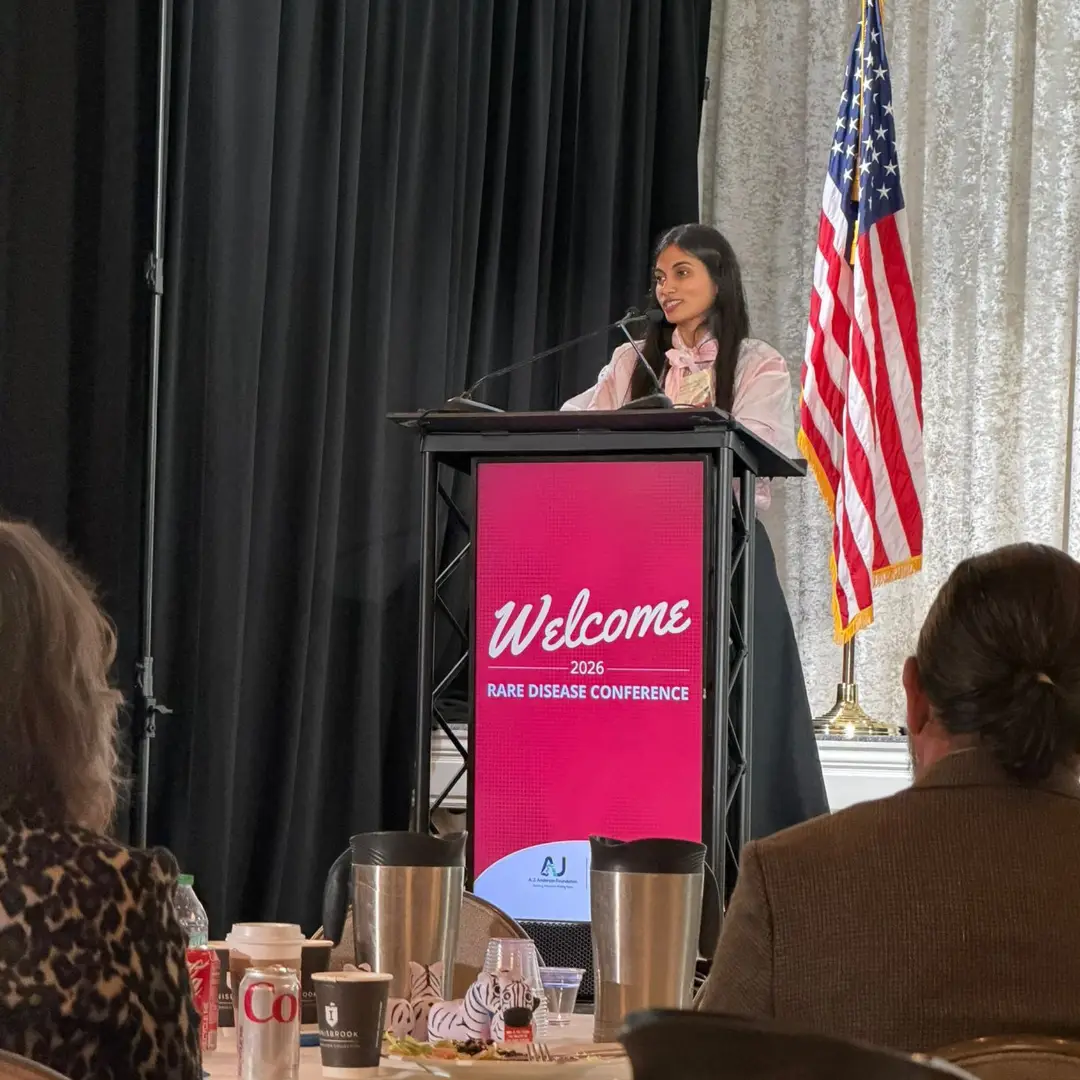
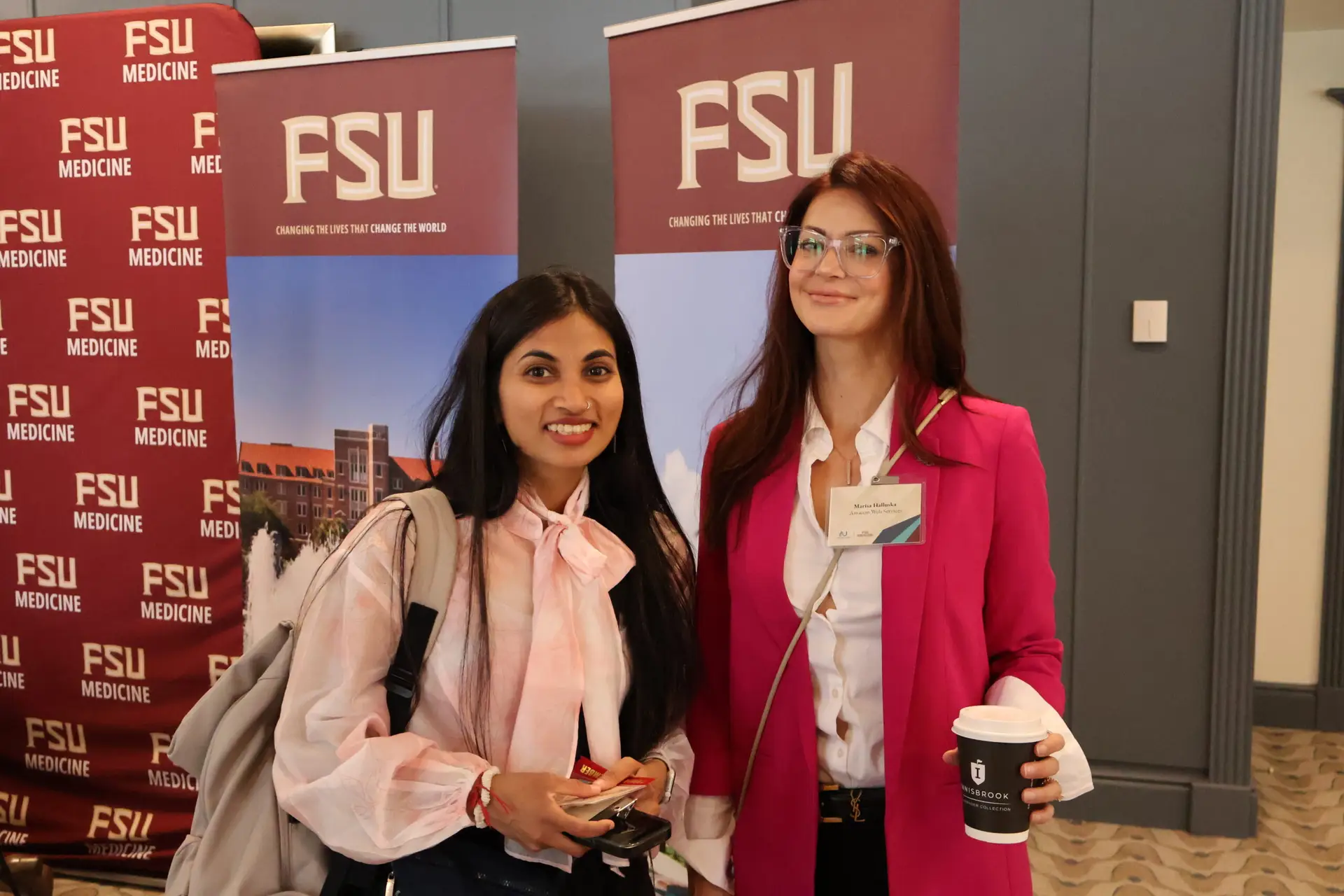
Dr. Shah shared her gratitude for the program’s academic and industry partners, clinicians, researchers, and especially Florida’s patient advocates, whose lived experiences are shaping the program’s design. She outlined the program’s two‑tiered screening framework: Tier 1 conditions derived from the BEACONS study and a newly finalized Tier 2 list that includes monogenic epilepsies, hearing loss, and additional conditions such as Tay‑Sachs and Prader‑Willi syndrome.
Early findings from a statewide public opinion poll, conducted with FAU’s Kevin Wagner, show strong support for genomic newborn screening in Florida. Dr. Shah noted that ongoing focus groups and surveys will continue to guide study development, with Nest Genomics supporting education, consent, test ordering, and return of results. She emphasized that the gene‑condition lists will remain dynamic in collaboration with GeneDx and sequencing partners, and credited Rep. Anderson, Dr. Bhide, and Dr. Ledbetter for their leadership. Dr. Shah closed by expressing enthusiasm for the program’s progress and its anticipated late‑summer launch.
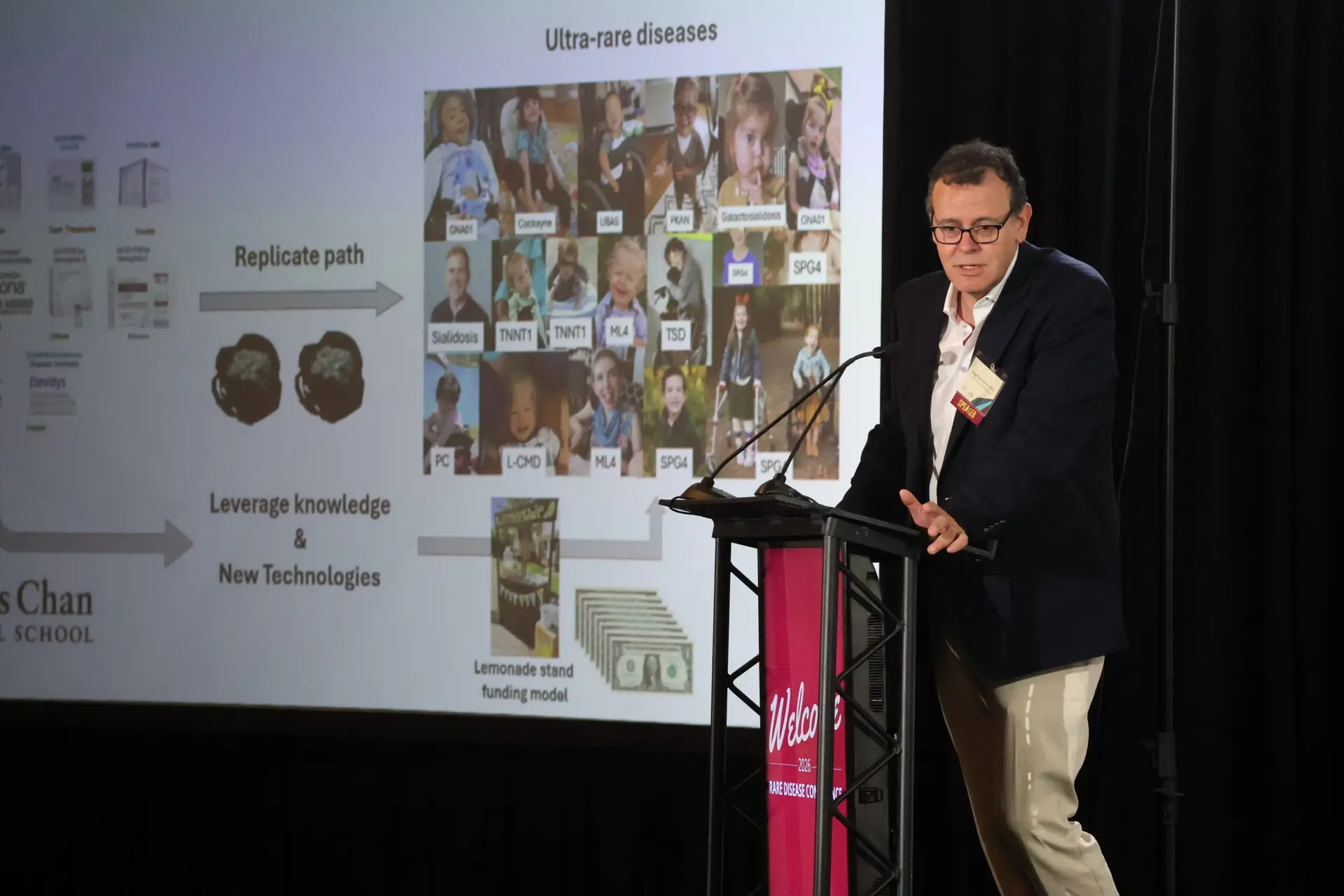
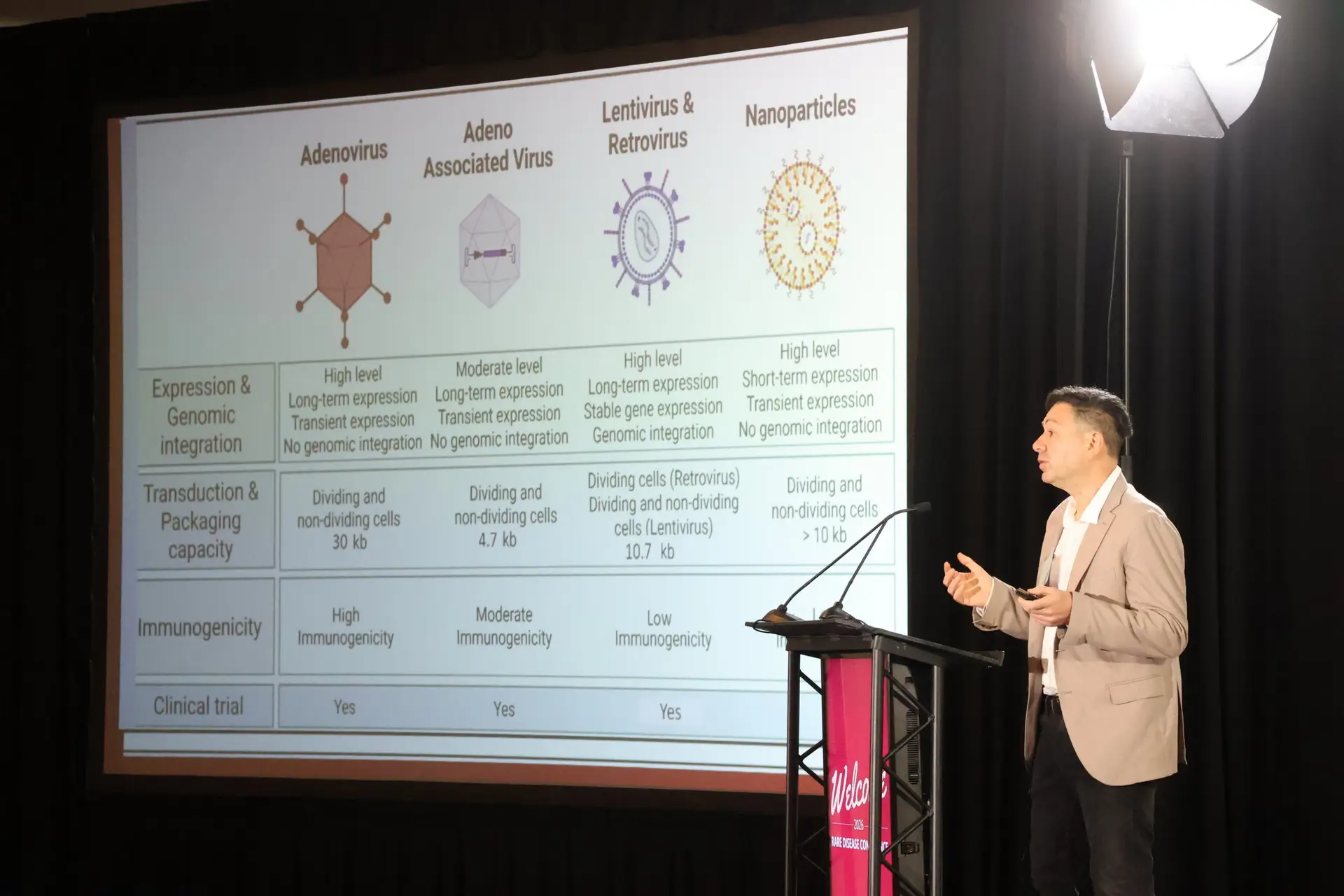
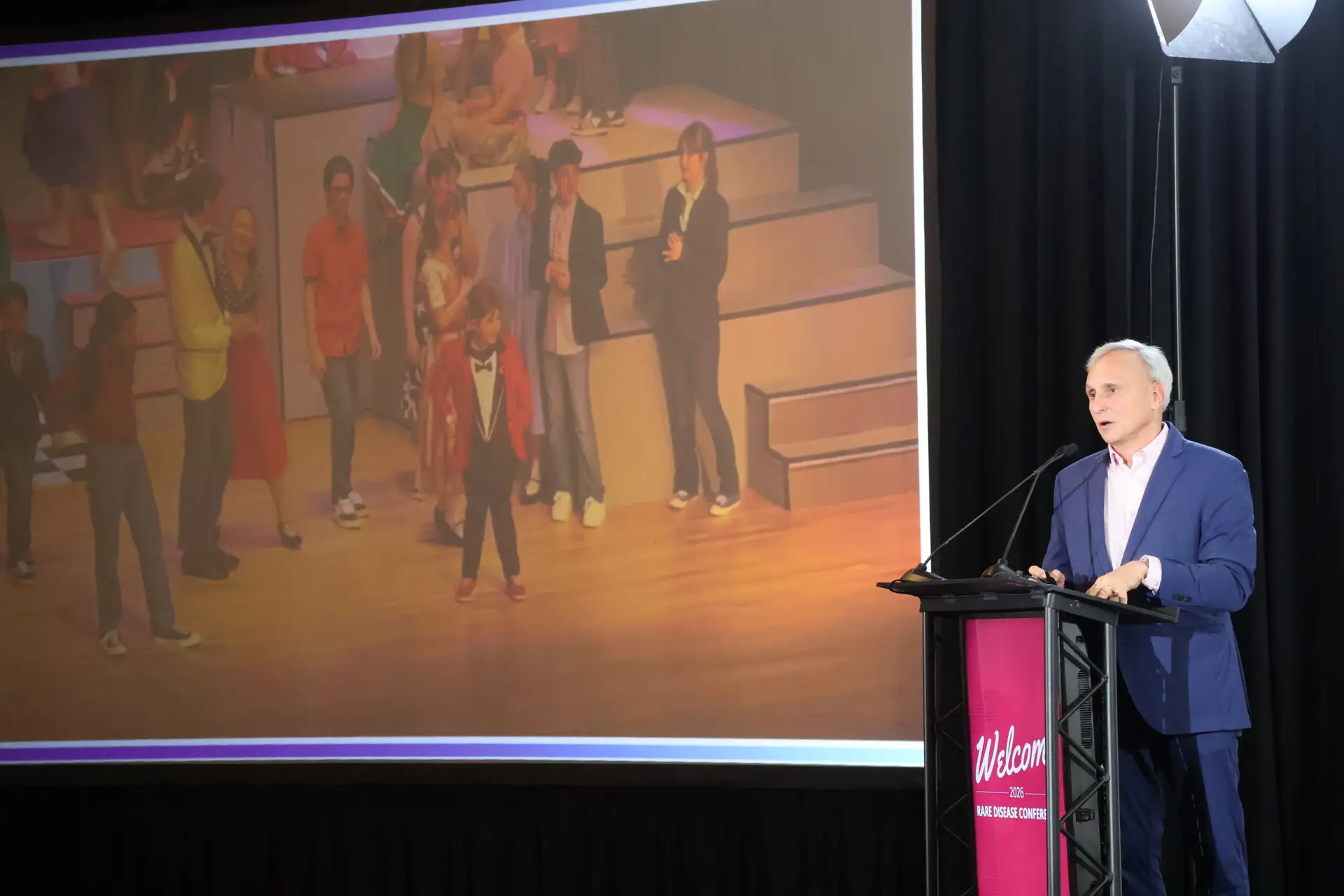
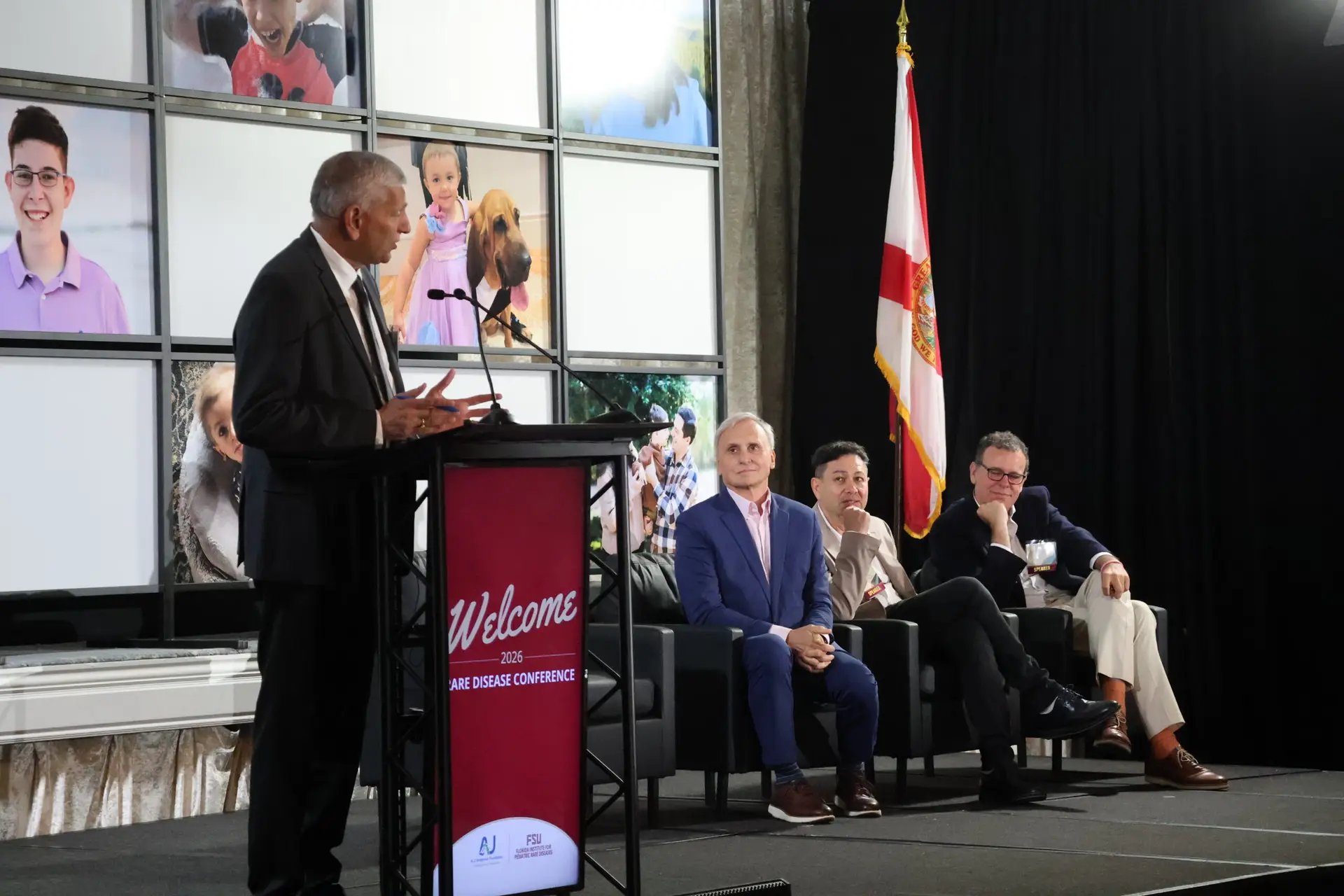
Session 2 spotlighted emerging pathways and future directions in gene therapy for rare and ultra‑rare diseases.
Miguel Sena-Esteves, Ph.D., Associate Professor in the Department of Genetic and Cellular Medicine, UMass Chan Medical School, discussed “An Alternative Pathway for Academia-Led Development of AAV Gene Therapies for Ultra-Rare Diseases”, outlining how academic centers can drive innovation for conditions.
Boris Kantor, Ph.D., Director of the Viral Vector and Gene Editing Core, IPRD, explored “Gene Therapy for Pediatric Rare Diseases: Current Status and Future Perspectives” emphasizing advances in vector design, delivery, and translational readiness for pediatric applications.
Barry Byrne, M.D., Director, Powell Gene Therapy Center, University of Florida, Gainesville, presented “Molecular Medicine and Advanced Therapeutics: Where are we now and vision for the next 10 years” offering a forward‑looking view of how molecular therapies, manufacturing platforms, and clinical infrastructure will evolve to meet the growing demand for precision treatments.
Dinner for a Cause
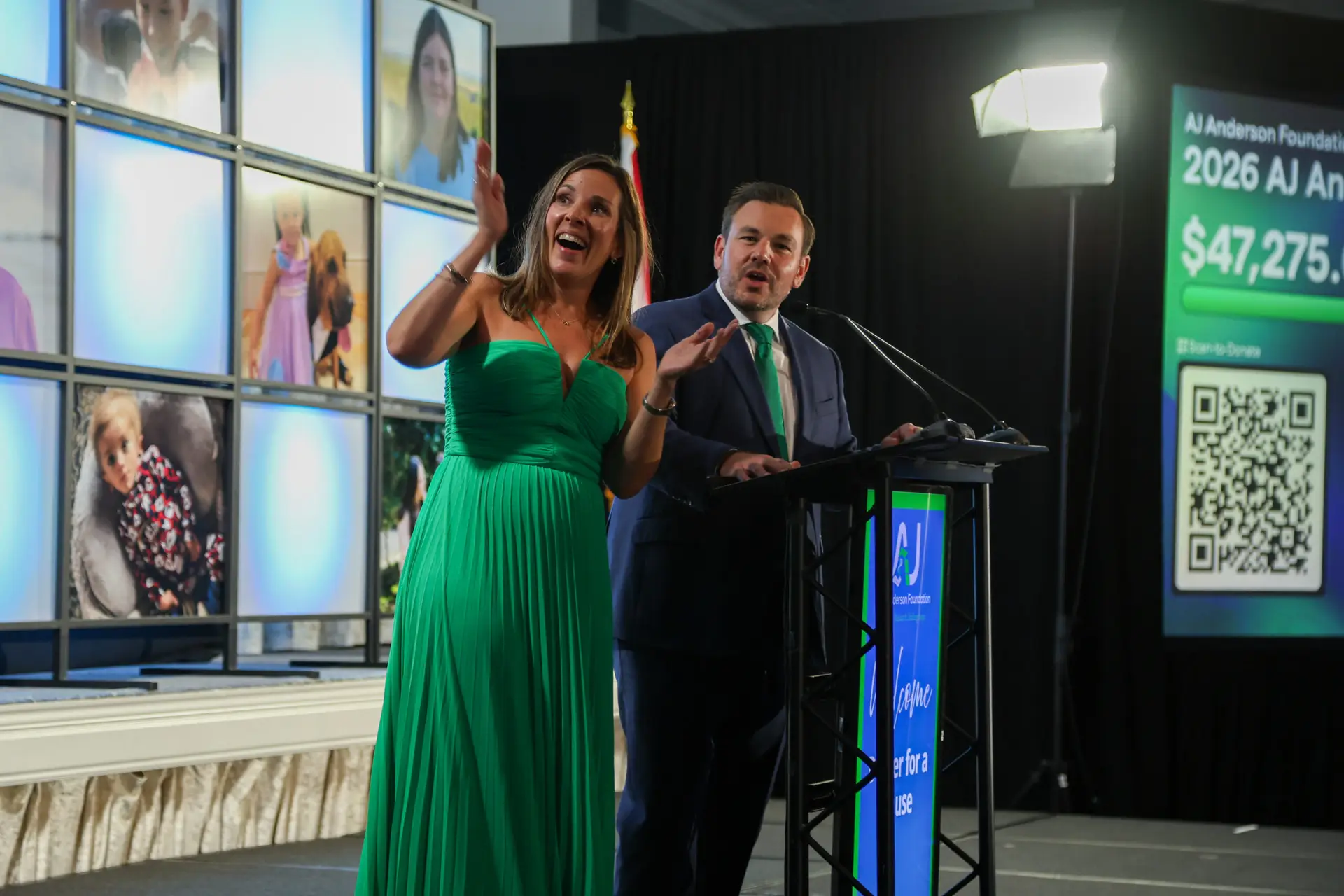
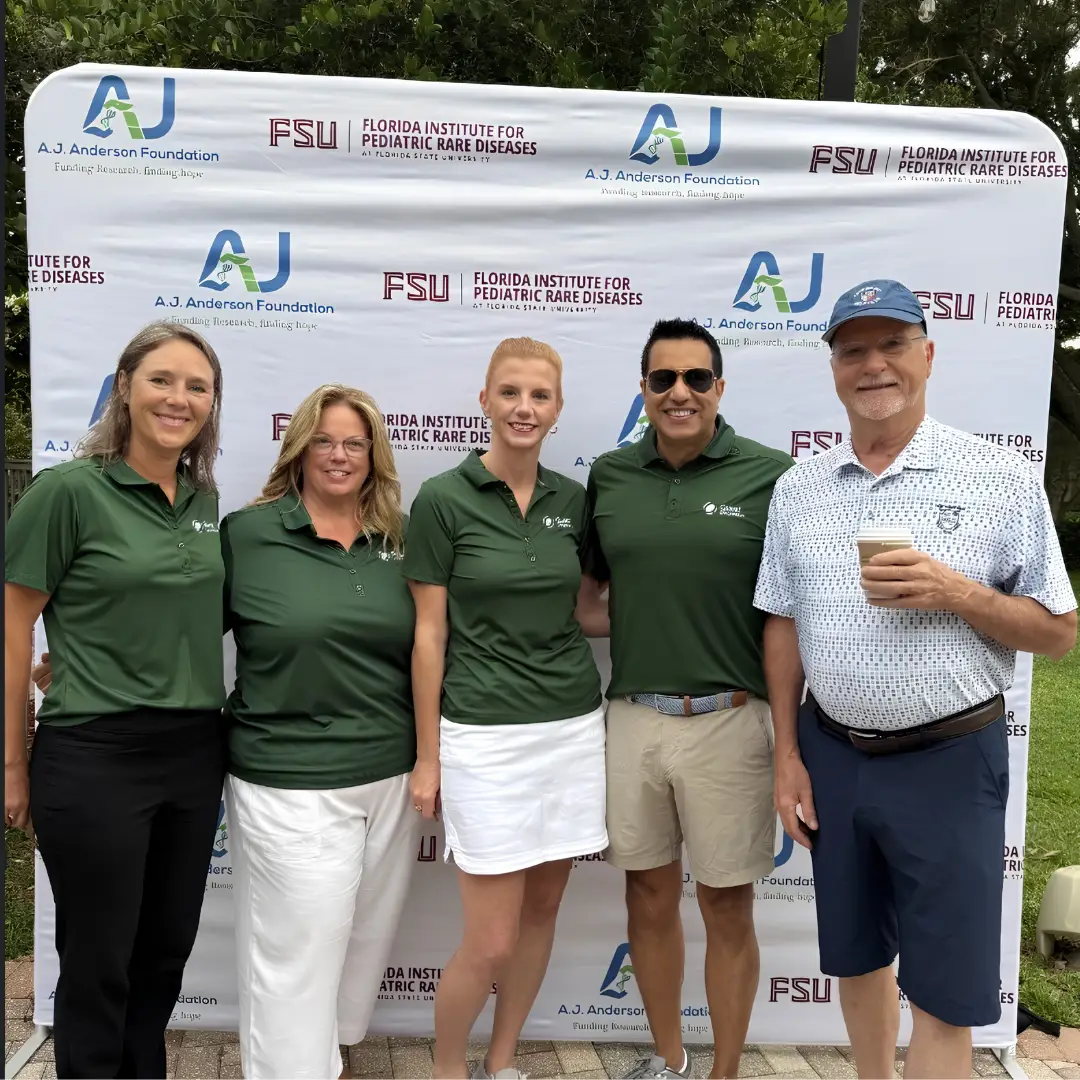
Following the symposium, two additional events took place; the A.J. Anderson Dinner for a Cause and the A.J. Anderson Golf Tournament, both of which were incredible successes.
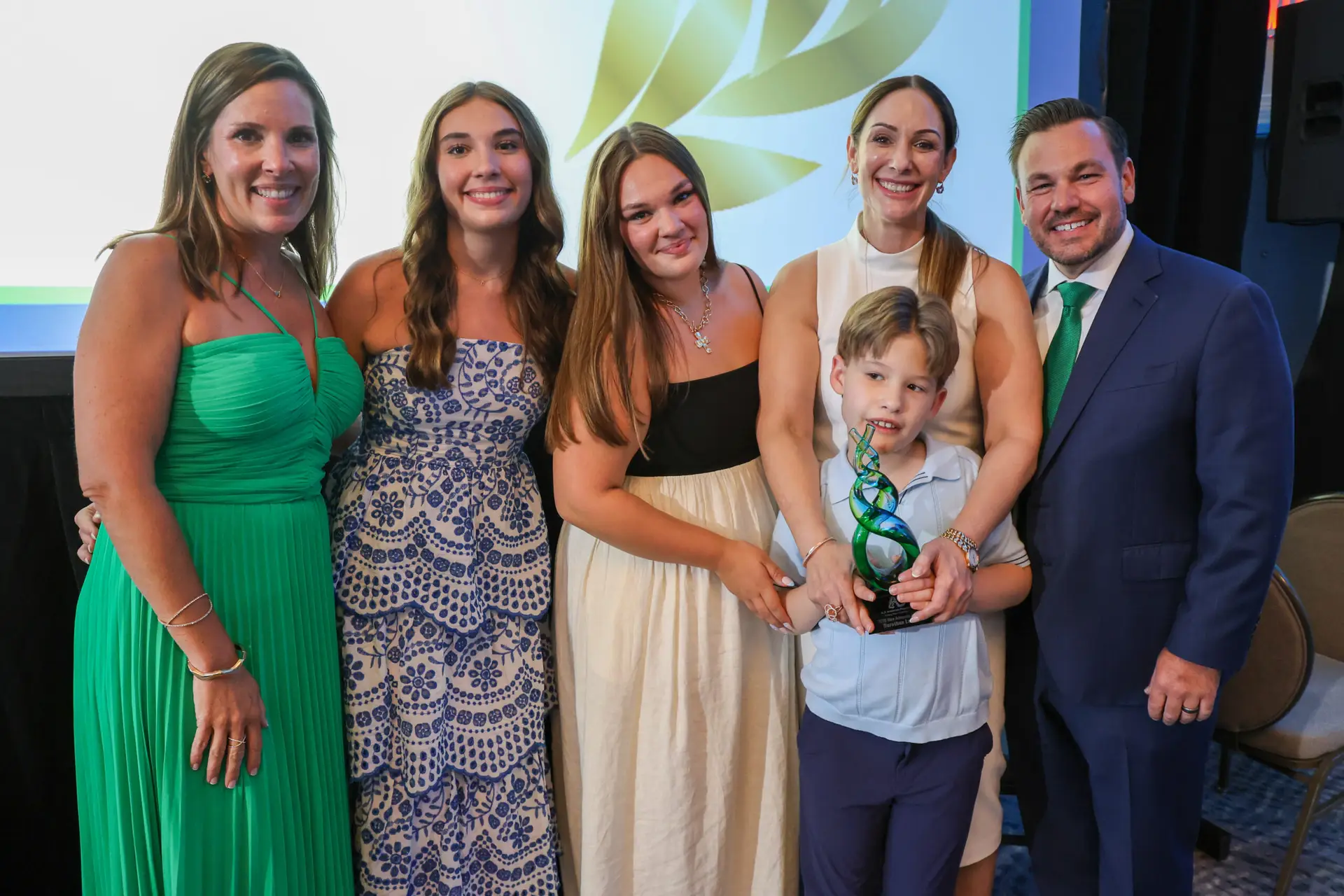
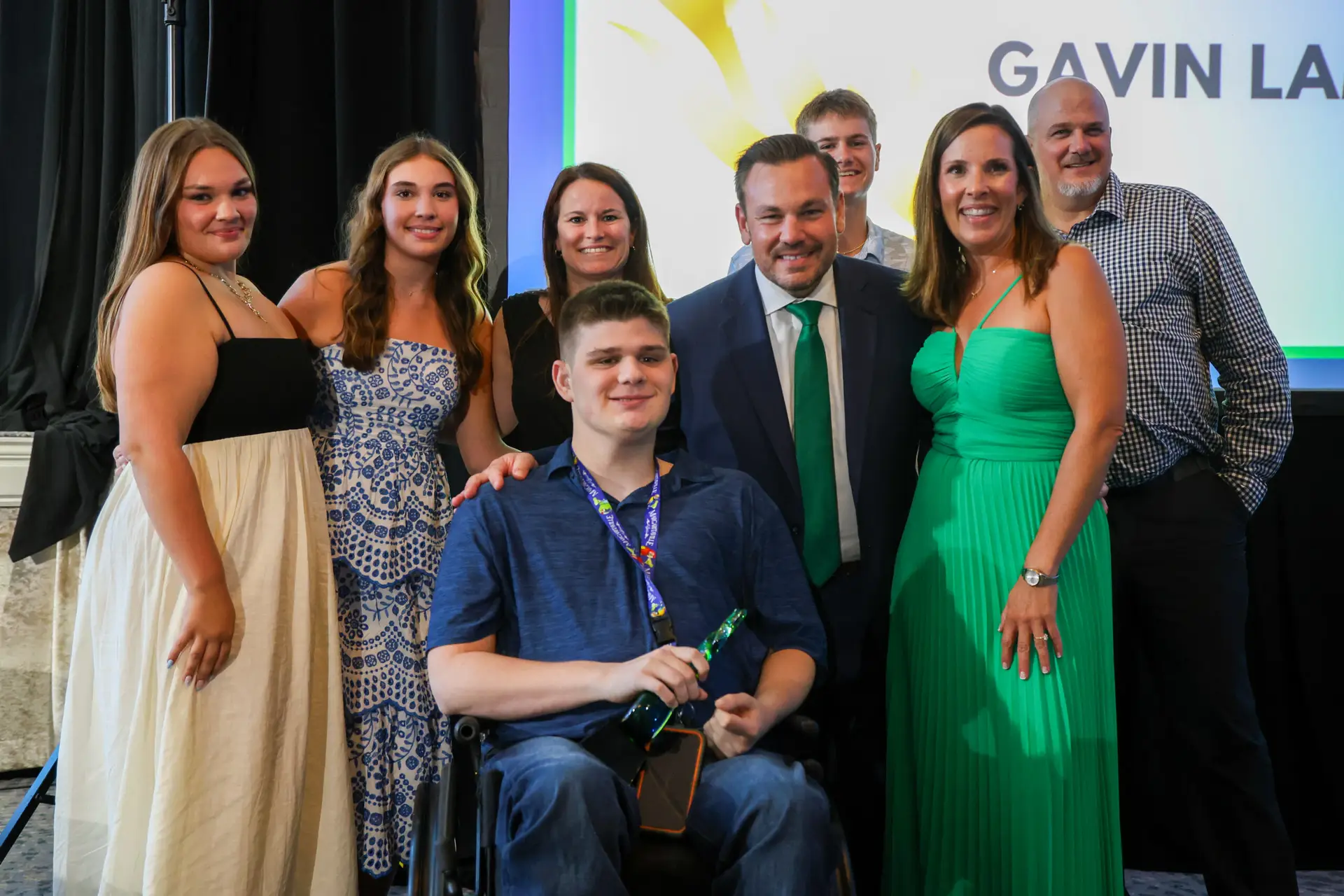
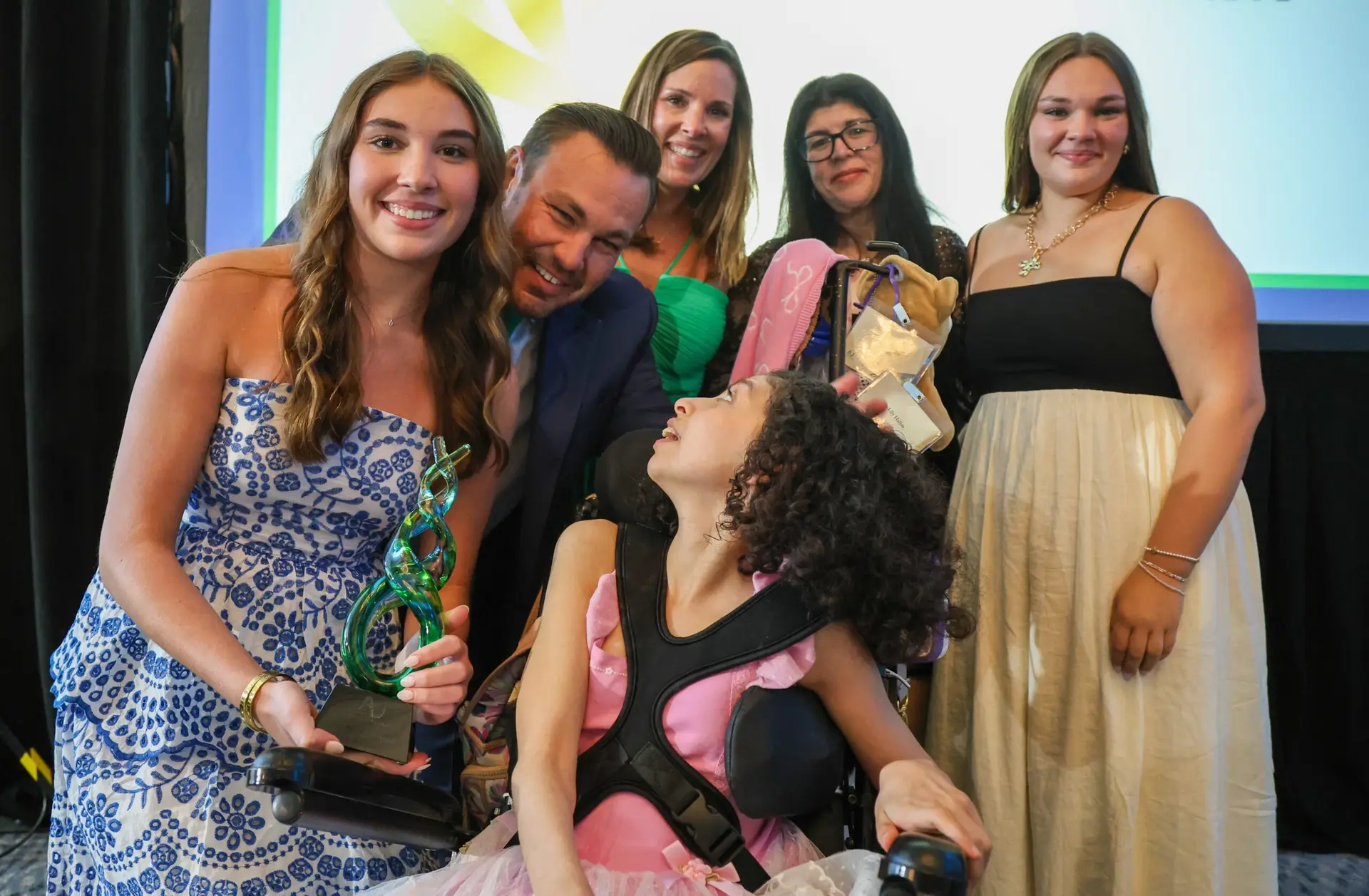
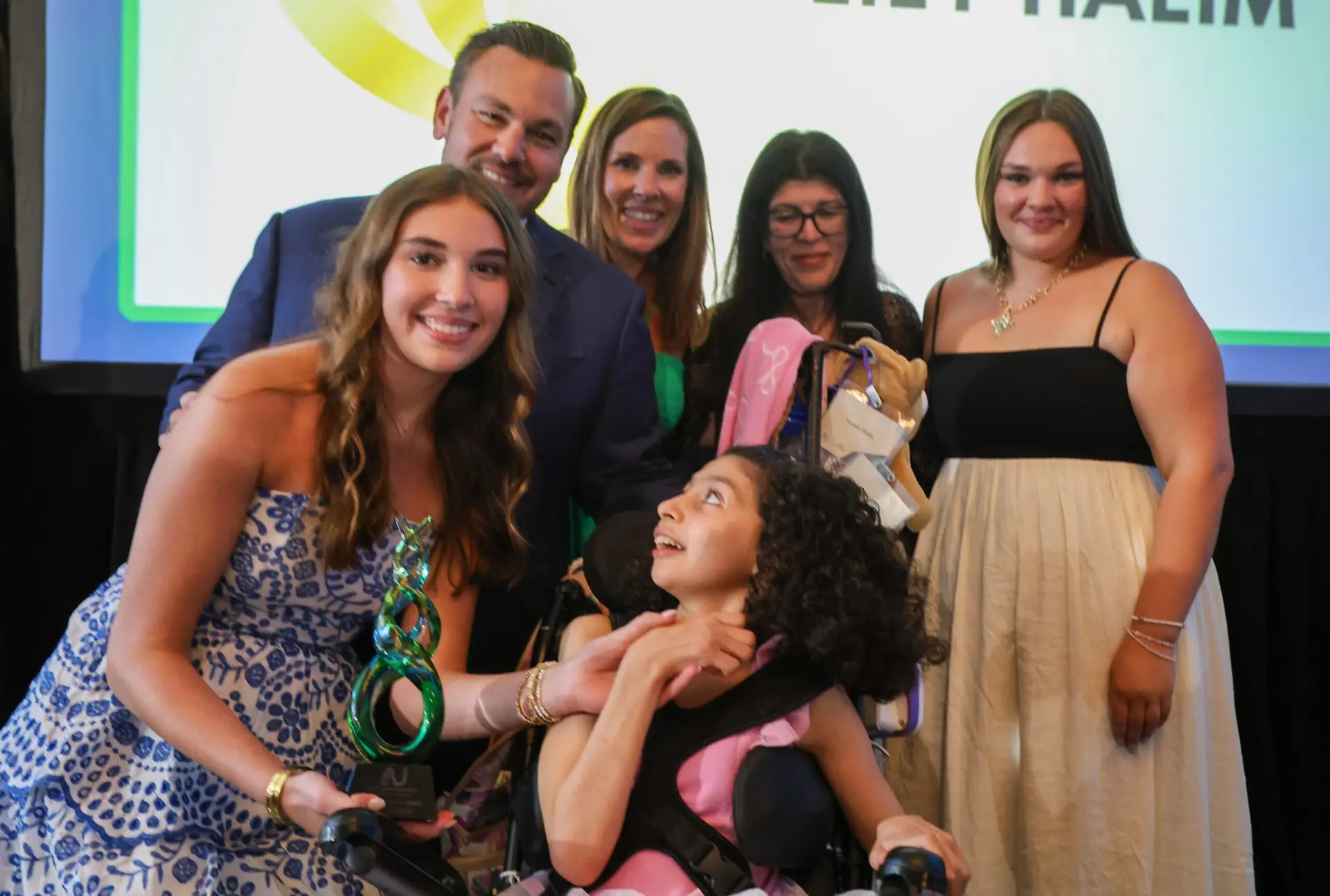
During the dinner, Rep. Adam Anderson and his family presented awards honoring individuals and families affected by rare diseases. The evening highlighted the strength, resilience, and unity of the rare disease community, bringing together families, advocates, and supporters in a meaningful and uplifting way.